Australia’s gardening environment is incredibly diverse, so conditions vary widely. A fungal disease that appears after a humid Queensland summer storm may never become an issue in a dry inland garden, and a pest that causes major problems in a greenhouse may behave completely differently in an open backyard.
This is why successful organic gardening is not about finding one "magic solution" that works everywhere. Instead, it is about understanding your own environment and adapting your approach.
That is why local growers, nurseries, and experienced gardeners are among the best sources of knowledge; they understand the challenges specific to their region.
Before planting something new, consider asking:
● Is this plant suited to my climate?
● What pests are common in my area?
● Does this variety have a reputation for being more resilient?
● How do local growers naturally manage these challenges?
Choosing the right plant for the right place is often the first step towards a healthier, lower-maintenance garden.
Did you know?
Plants growing in conditions they naturally prefer usually require fewer interventions, because they experience less environmental stress.
Australian Experts in Biological Pest Control and Integrated Pest Management
Organic gardening is not only about homemade remedies and natural sprays; it also includes broader pest management approaches.
Across Australia, a growing number of horticultural businesses specialise in Integrated Pest Management (IPM) and biological pest control, using beneficial insects, predatory mites and natural systems to manage pests while reducing reliance on chemical pesticides.
These approaches are widely used in commercial horticulture, nurseries and protected cropping. Even so, the principles are equally valuable for home gardeners.
Bugs for Bugs
One of Australia’s best-known biological pest control companies, Bugs for Bugs supplies beneficial insects and mites, sticky traps, pheromone traps and natural pest management solutions.
Their approach focuses on encouraging nature’s own pest controllers, making biological control more accessible to growers, nurseries and serious home gardeners.
Biological Services
Another respected name in Australia’s biological control industry, Biological Services specialises in beneficial insects and predatory mites used for managing pests such as aphids, whiteflies, thrips and spider mites.
Their work demonstrates how carefully selected natural predators can become an important part of sustainable pest management.
🌱 Did You Know?
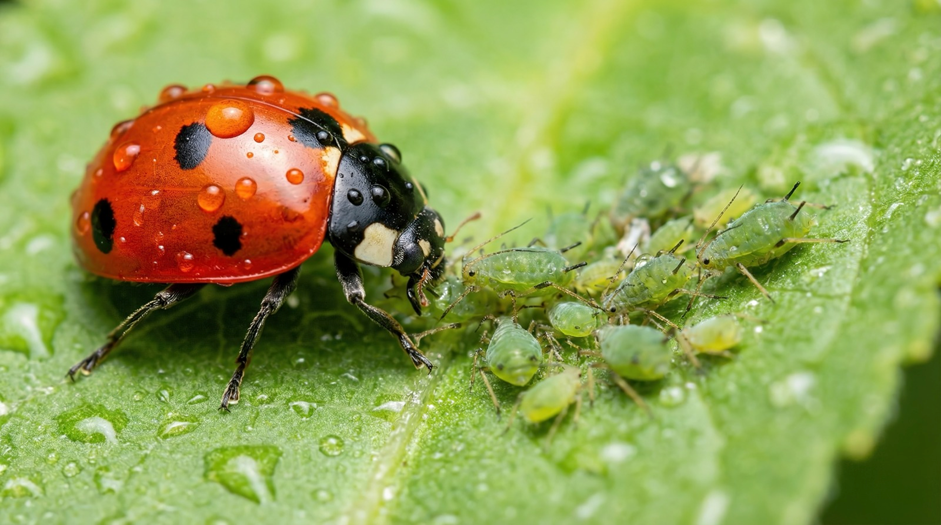
A single ladybird can eat up to 5,000 aphids during its lifetime, while lacewing larvae can consume hundreds more before reaching adulthood. That's why beneficial insects are considered some of nature's most effective pest controllers.
Other Australian Biological Control Specialists
Australia is also home to specialist companies supporting professional growers and sustainable horticulture, including:
● BioResources Pty Ltd - providing biological pest management advice, beneficial insects and IPM consulting.
● BioWorks Pty Ltd - supporting biological crop protection and greenhouse IPM solutions.
● EcoGrow Environment - working with sustainable growing practices, biological management and protected cropping.
While many of these solutions are designed for commercial horticulture, the philosophy behind them still applies to every garden:
Understand the pest. Encourage natural predators. Protect biodiversity. Then use intervention only when needed.
While commercial growers often purchase beneficial insects as part of Integrated Pest Management programs, home gardeners can achieve many of the same benefits simply by creating an environment where these natural helpers want to stay.
Creating a Garden That Welcomes Nature's Helpers
Beneficial insects don't always need to be purchased, they can often be encouraged to make your garden their home.
By creating a diverse, wildlife-friendly environment, you'll naturally attract many of the predators and pollinators that help keep pest populations under control. In return, these helpful visitors can reduce the need for sprays and contribute to a healthier, more balanced garden ecosystem.
Simple ways to support beneficial insects and other helpful wildlife include:
● 🌼 Plant companion flowers such as alyssum, dill, fennel, coriander, yarrow and native flowering plants to provide nectar and pollen throughout the seasons.
● 🌿 Grow a variety of Australian native plants, which provide food, shelter and breeding habitat for many local insects, birds and pollinators.
● 🐞 Leave small areas a little wild, allowing insects to shelter in leaf litter, mulch, long grass or undisturbed corners of the garden.
● 🪵 Place pieces of old logs, rotting timber or fallen branches in quiet areas to create habitat for beetles, spiders, native insects and other beneficial organisms.
● 🏡 Install an insect hotel to provide nesting sites for native bees, solitary wasps and other helpful insects that naturally assist with pollination and pest control.
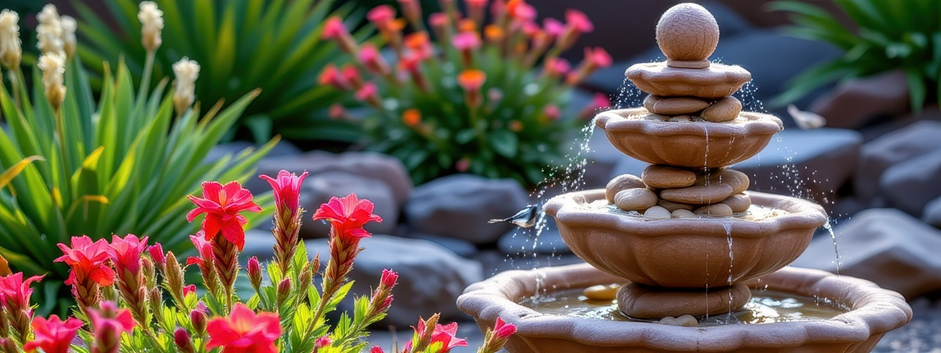
● 💧 Create a small pond, bird bath or shallow water feature, which can attract frogs, dragonflies, birds and other natural predators that feed on mosquitoes, slugs and common garden pests.
● 🌳 Include plants that flower at different times of the year, ensuring a continuous source of nectar and pollen for pollinators and beneficial insects.
● 🚫 Avoid broad-spectrum insecticides, which often kill beneficial insects alongside the pests you're trying to control.
The more diverse your garden becomes, the more resilient it is likely to be. A healthy ecosystem naturally develops balance, reducing pest outbreaks while supporting pollinators, birds and other wildlife that make your garden healthier, more productive and far more enjoyable.
🌱 Did You Know?
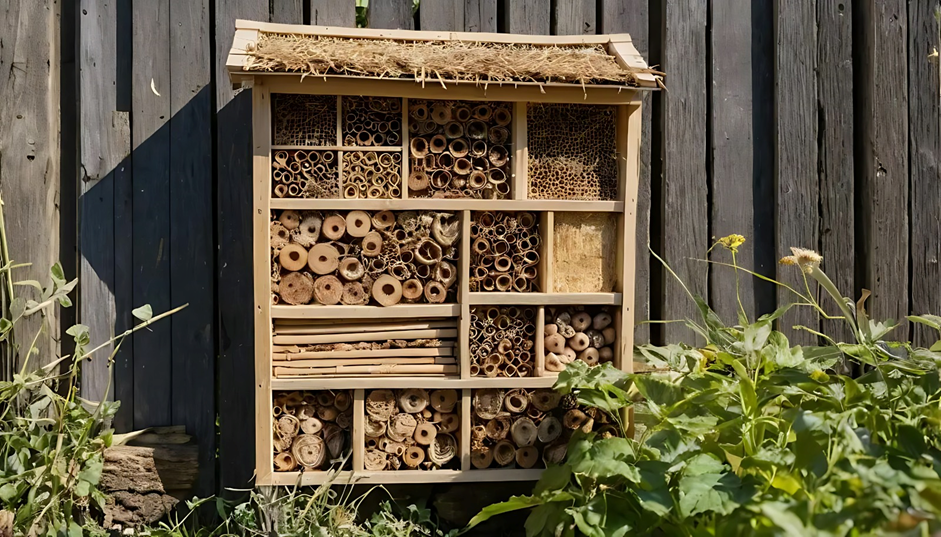
Even a small courtyard or suburban backyard can become an important habitat for beneficial insects, frogs, birds and native pollinators. Every flowering plant, insect hotel or shallow water source helps support local biodiversity.
🌿 Nature's Helpers at a Glance
Some of the hardest-working members of your garden may be the ones you rarely notice. Here's a quick guide to some of Australia's most valuable natural garden helpers and the important jobs they perform.
|
Beneficial helper |
How it helps your garden |
|
🐞 Ladybirds |
Feed on aphids, scale insects and other soft-bodied pests. A single ladybird can eat up to 5,000 aphids during its lifetime. |
|
🦋 Lacewing larvae |
Often called "aphid lions", they feed on aphids, mealybugs, whiteflies, thrips and small caterpillars. |
|
🕷️ Predatory mites |
Naturally control spider mites, thrips and other tiny pest species without harming plants. |
|
🪰 Hoverflies |
Adults are excellent pollinators, while their larvae consume large numbers of aphids. |
|
🦗 Praying mantises |
Hunt caterpillars, grasshoppers, beetles and other insects, helping maintain natural balance. |
|
🐦 Native birds |
Feed on caterpillars, beetles, grubs and many other garden pests while contributing to biodiversity. |
|
🐸 Frogs |
Help control slugs, snails, mosquitoes and other insects, especially around ponds and damp gardens. |
|
🪶 Dragonflies |
Excellent predators of mosquitoes and other flying insects, particularly around ponds and water features. |
|
🐝 Native bees |
Essential pollinators for flowering plants, vegetables, herbs and fruit trees, improving harvests and seed production. |
|
🪱 Earthworms |
Improve soil structure, aeration and drainage while recycling organic matter into valuable nutrients that strengthen plant growth. |
Common Mistakes Gardeners Make When Treating Pests
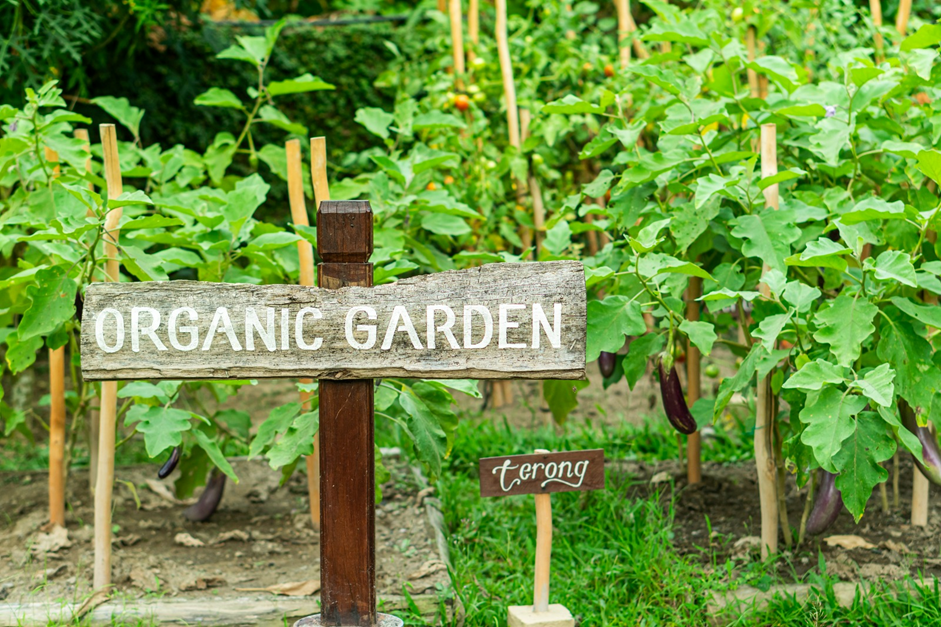
Even experienced gardeners sometimes make decisions that unintentionally create bigger problems, so it helps to stay alert.
Understanding these common mistakes can help you protect your plants and the beneficial organisms living in your garden.
Mistake 1: Treating Before Identifying the Problem
Not every damaged leaf is caused by pests.
Yellowing leaves, spots or poor growth can also be caused by:
● Incorrect watering
● Nutrient deficiencies
● Heat stress
● Frost damage
● Poor soil conditions
● Root problems
Correct identification should always come before treatment.
Mistake 2: Trying to Eliminate Every Insect
A garden without insects is not necessarily a healthy garden. In fact, many beneficial insects resemble pests, especially at different stages of their life cycle.
For example, lacewing larvae may not look attractive, but they are extremely effective predators of aphids and other soft-bodied pests.
Before removing an insect, ask:
"Is this creature damaging my plant, or is it helping protect it?"
Mistake 3: Spraying Too Often
Sometimes gardeners continue treating plants even after the original problem has been solved, so spraying becomes unnecessary.
Repeated spraying can:
● Reduce beneficial insect populations.
● Disrupt natural balance
● Encourage pest resistance
● Create unnecessary work
The aim of organic gardening is balance, not constant intervention.
Mistake 4: Watering at the Wrong Time
Many fungal problems worsen when leaves remain wet for extended periods, so timing matters.
Whenever possible:
● Water plants in the morning
● Water the soil rather than the foliage
● Improve airflow around plants.
This simple change can significantly reduce disease pressure.
Mistake 5: Overfeeding Plants
More fertiliser does not always mean healthier plants. In fact, too much nitrogen can create soft, fast-growing foliage that attracts sap-sucking pests such as aphids.
Healthy growth is the goal, not excessive growth.
Seasonal Pest and Disease Awareness for Australian Gardens
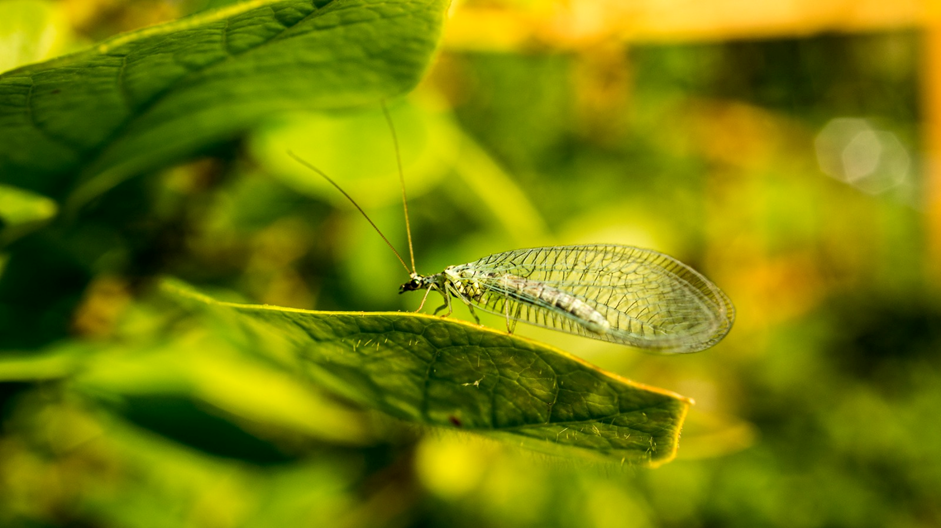
Different seasons bring different challenges, so it helps to stay alert year-round.
Spring
Common issues:
● Aphids on fresh growth
● Caterpillars
● Snails and slugs around seedlings
Helpful actions: Inspect new growth regularly, encourage beneficial insects, and protect young plants.
● Encourage beneficial insects
● Protect young plants
Summer
Common issues:
● Heat stress
● Spider mites
● Whiteflies
● Powdery mildew after humid weather
Helpful actions: Maintain soil moisture with mulch, improve airflow, and avoid plant stress.
● Improve airflow
● Avoid plant stress
Autumn
Common issues:
● Fungal diseases from changing weather
● Scale insects
● Preparing for pests before winter
Helpful actions:
● Remove diseased leaves
● Clean garden areas
● Strengthen soil health
Winter
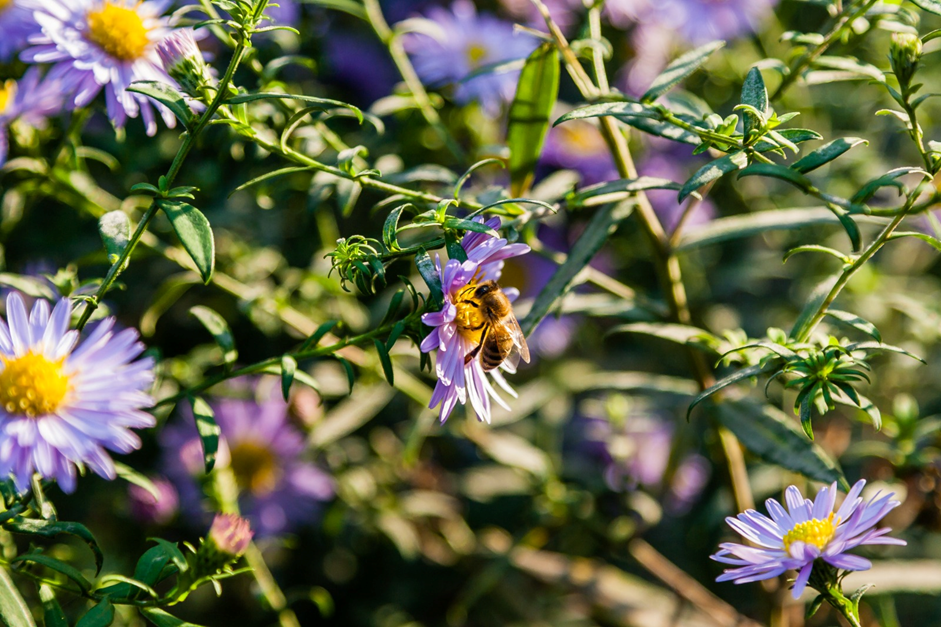
Common issues:
● Slow growth
● Root problems from excess moisture
● Some fungal diseases
Helpful actions:
● Avoid overwatering
● Improve drainage
● Plan future planting
A Simple Organic Garden Health Checklist
Use this quick checklist regularly:
✅ Inspect plants every few days
✅ Check underneath leaves for hidden pests
✅ Remove damaged foliage early
✅ Add compost and organic matter regularly
✅ Use mulch to protect soil moisture
✅ Encourage beneficial insects
✅ Choose plants suited to your climate
✅ Improve airflow between plants
✅ Avoid unnecessary spraying
✅ Learn from local growers and gardeners
Small, consistent actions often create the biggest results.
🐝 Did You Know?
Healthy gardens naturally attract predators that help control many common pests.
Growing With Nature, Not Against It
Organic pest and disease control is not about creating a perfect garden with flawless leaves and no insects. Rather, it is about creating a healthy ecosystem where plants, insects, soil, and wildlife can coexist.
It is about creating a healthy ecosystem where plants, insects, soil, and wildlife can coexist.
A few holes in a leaf do not always mean something is wrong. Likewise, a visiting insect does not always mean a pest problem. Sometimes these are simply signs that your garden is alive.
The healthiest gardens are not the ones where nature has been removed; they are the ones where nature is working alongside the gardener.
By improving soil health, supporting beneficial wildlife, choosing resilient plants and using natural solutions when necessary, we can create gardens that are healthier, more sustainable and more enjoyable.
We would love to hear from growers and gardeners across Australia:
🌱 What organic pest controls work best in your garden?
🌱 Which natural treatments have given you the best results?
🌱 Have beneficial insects helped solve a problem?
🌱 What gardening challenges are unique to your region?
Organic Gardening Doesn't Mean Doing Nothing

Organic gardening doesn't mean accepting damaged plants or letting pests take over. It means choosing the least harmful solution first, encouraging nature to do as much of the work as possible, and stepping in only when necessary.
Sometimes that might mean removing caterpillars by hand. Other times it could be introducing beneficial insects, improving soil health or simply waiting a few days while nature restores the balance.
The goal isn't to eliminate every insect, it's to create a healthy, resilient garden where plants, wildlife and people can thrive together.
Share your experiences with the PlantArk community and help other gardeners discover better ways to grow naturally.
After all, the best gardening knowledge has always been shared between people who love growing plants.
Together, we can build healthier gardens, support Australian growers and continue learning from nature, one garden at a time.