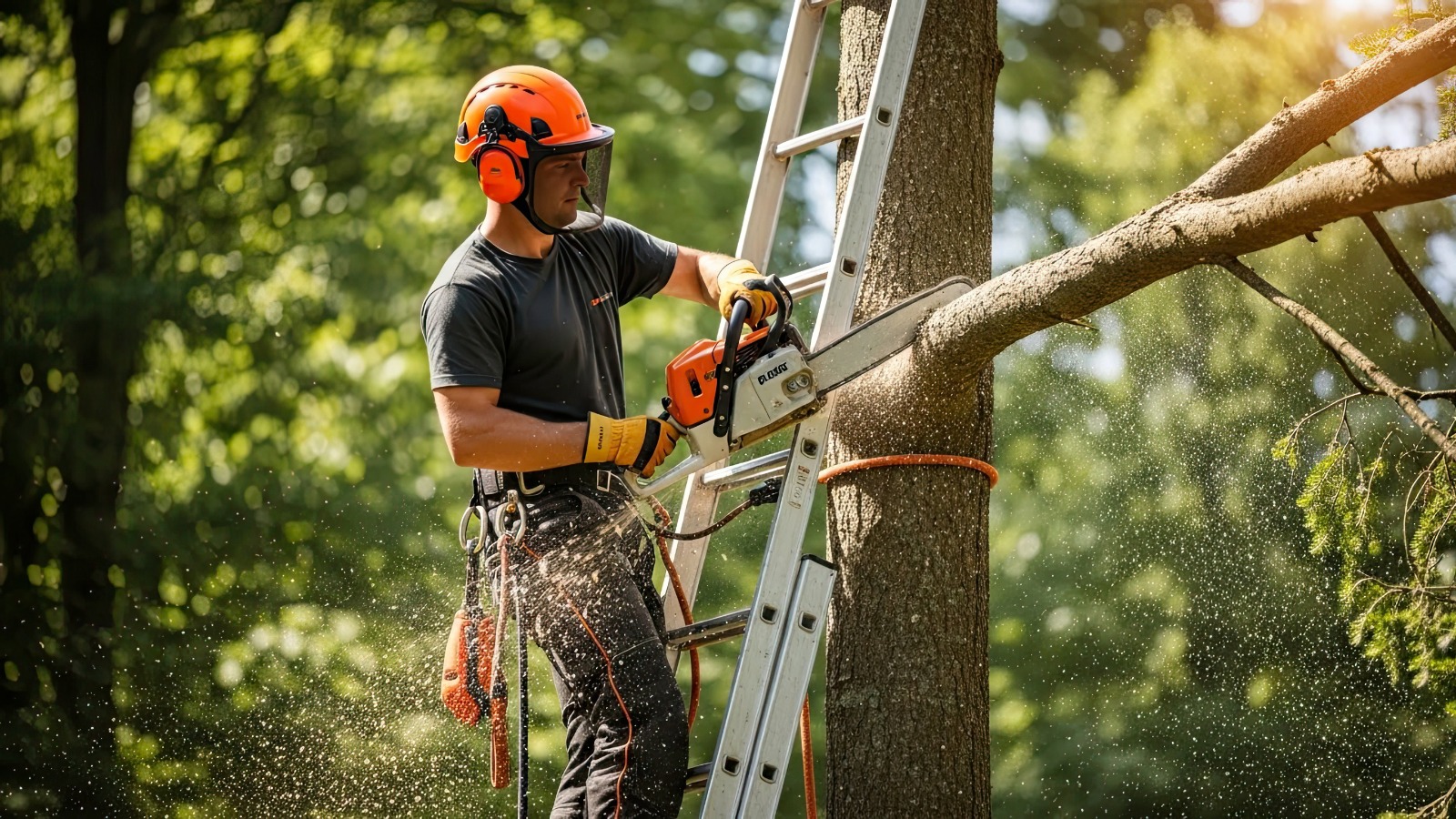
Think Before You Cut: Understanding Tree Pruning & Council Rules in Australia
Trees shape the Australian landscape, cooling our suburbs, sheltering wildlife, cleaning the air, and enriching our streets and gardens.
But what many Australians don’t realise is that pruning or removing a tree, even on your own property, is not always as simple as grabbing a chainsaw or calling a contractor.
Usually, you need council approval, and sometimes your neighbour’s permission. Pruning protected trees without approval can lead to fines, disputes, property damage, or harm to the tree.
Are you thinking of trimming the branches hanging over your fence? Well… think again.
The fact that a tree is growing onto your property does not automatically mean you can prune it however you like.
Local councils and state governments in Australia have tree protection rules to balance property rights with environmental protection, safety, biodiversity, and heritage.
And while regulations differ between states and councils, one thing remains consistent:
Always check before you cut.

Why Tree Rules Exist in Australia
Some homeowners find tree regulations frustrating at first. Urban trees provide many environmental and community benefits.
Trees help:
• reduce urban heat
• provide shade and cooling
• absorb carbon dioxide
• support birds and wildlife
• reduce stormwater runoff
• improve mental wellbeing
• increase property appeal and streetscape character
In many Australian cities, mature trees are now considered critical infrastructure.
As climate change intensifies heatwaves and cities expand, councils aim to preserve mature tree canopies.
This is one of the key reasons why many councils regulate tree pruning and removal so closely.
It’s Not Just About Your Property
Many homeowners mistakenly believe: “It’s my property, so I can do what I want with the tree.”
Ownership does not mean unrestricted control. Depending on your local council regulations, the size, species, location, or environmental significance of a tree may determine whether approval is required before pruning or removal can take place.
Certain trees may also be protected because they:
• provide important wildlife habitat
• are historically significant
• are located in heritage areas
• form part of protected bushland
• contribute to local biodiversity targets
Most trees of a certain size still fall under local environmental legislation.
Public Trees vs Private Trees

Confusion often starts with questions about tree control.
Trees on Public Land
Street trees, park trees, and vegetation on public land are generally managed by local councils or utility providers. Homeowners cannot prune or remove street trees themselves.
Councils usually manage:
• street tree maintenance
• pruning schedules
• risk assessments
• tree replacement programs
• public safety around trees
In some situations, electricity providers may also manage vegetation near powerlines.
Trees on Private Property
Homeowners are generally responsible for maintaining trees on their own land. However, this does not mean you can remove or heavily prune them without restriction.
Many councils across Australia have rules relating to:
• tree height
• trunk circumference
• canopy spread
• native species
• heritage-listed areas
• significant trees (may include exempt trees in some areas and also trees classed as weeds)
Most councils require permits for pruning, and some only regulate specific species or sizes.
Some may regulate only certain species or trees above certain sizes.
Research local regulations before doing any tree work.
Why You Should Never “Just Cut It Back”

Pruning is not simply about making a tree smaller. Pruning isn’t just about making a tree smaller. Poor pruning can damage a tree’s health, structure, and safety. Before any pruning takes place, it’s important to understand:
Why are you pruning?
The answer determines the type of pruning required.
Common objectives may include:
• reducing branch weight, size or height
• improving structure
• preventing future hazards
• increasing clearance from buildings or pathways
• improving light penetration
• maintaining tree health (removing dead and diseased parts)
Poor pruning can cause structural weakness, stress, entry of disease, or unstable regrowth (epicormic growth). Aggressive pruning often causes future problems.
This article series is not intended to teach pruning techniques.
This series aims to explain the responsibilities, risks, and rules of tree work in Australia.
Neighbour Trees: What Many Australians Don’t Know

Neighbour disputes involving trees are incredibly common. Trees dropping leaves, blocking sunlight, damaging fences, or crossing property lines can create tension.
In Queensland, for example, homeowners generally have a common law right known as “abatement” to remove branches or roots that extend onto their property. However, there are important limitations.
You generally:
• can only cut to the boundary line
• cannot enter your neighbour’s property without permission
• must avoid damaging the structural integrity of the tree
• may still need council approval if the tree is over a certain size and is protected
Many homeowners get into trouble here without realising.
The fact that branches cross your boundary does not automatically override local vegetation protection laws. Damaging a protected tree, even unintentionally, can result in penalties. You may also need your neighbour’s permission to work on the tree.
Trees Near Powerlines: A Serious Safety Issue

Tree work near electricity infrastructure is extremely dangerous. Strict safety laws apply to pruning near overhead powerlines across Australia. Usually, only qualified professionals can do this work.
Attempting DIY pruning near powerlines can result in:
• serious injury
• electrocution
• bushfire risk
• property damage
• legal liability
If a tree is close to powerlines, contact your electricity provider or a qualified arborist before taking any action.
Why Councils Sometimes Reject Tree Removal Applications
Many homeowners are surprised that councils sometimes refuse removal requests they consider reasonable.
Some councils will not generally approve tree removal simply because of:
• leaf litter
• blocked views
• bird droppings
• fruit fall
• shade
• minor root disturbance
• pool debris
Councils often value mature trees more than these inconveniences. This frustrates many homeowners but shows the growing value of urban trees.
A Better Alternative: Pruning Instead of Removal
Careful pruning can often achieve your goal without removing the tree.
Options may include:
• canopy thinning
• crown reduction and crown lifting
• formative pruning
• selective pruning and shaping
• root management
A qualified arborist can improve light, reduce branch weight, and prevent issues while keeping the tree healthy. Councils are generally more open to pruning than removal applications.
The Bigger Picture

Australia’s urban trees are under increasing pressure from:
• urban development
• severe weather events
• infrastructure expansion
• drought
• climate change
• population growth
Communities increasingly value mature trees. This is why tree regulations exist. Tree rules balance property rights, safety, environment, and urban health.
Key Insights
Before undertaking any tree work, remember these key takeaways: identify the species when necessary, clarify your goals, check your local council rules, consult with your neighbour if the tree is shared or overhanging, and seek professional advice when in doubt.
A little research beforehand helps avoid costly mistakes and legal issues. Because when it comes to tree work in Australia:
“Always prune less; you can prune more later, but you can’t put it back on.”
Coming in Part 2
In the second part of this series, we’ll explore:
• when council approval is required
• when exemptions may apply
• how councils assess tree applications
• neighbour disputes and legal responsibilities
• when to hire an arborist
• practical step-by-step advice for homeowners
Disclaimer
This article provides general information only and does not constitute legal, arboricultural, or council advice. Tree regulations differ between Australian states, territories, councils, and utility providers. Always consult your local council, qualified arborist, or legal professional before undertaking tree pruning or removal.