Working With Nature to Grow Stronger, More Resilient Gardens
You walk outside one morning and notice something has changed.
Your beautiful rose bush, which looked perfect yesterday, is suddenly covered with tiny green aphids. Your tomato plants, which were growing strongly all week, now have yellowing leaves and strange marks. Your lettuce seedlings have almost disappeared overnight, leaving only a few damaged stems behind. Every gardener experiences moments like these.

The first reaction is often frustration:
"What is attacking my plants, and how do I get rid of it quickly?"
However, pests and diseases are not always a sign that something has gone wrong. A garden is a living ecosystem where insects, fungi, bacteria, soil organisms, birds, and plants all interact with one another.
The goal of organic pest and disease control is not to create a garden without insects or perfectly untouched leaves. It is about creating balance, encouraging healthy plants, supporting beneficial organisms, and using natural solutions to manage problems as they arise.
Instead of simply eliminating every insect, organic gardening focuses on understanding the cause of the problem and working with nature rather than against it.
For Australian gardeners, this approach is especially valuable because our growing conditions vary dramatically. A humid Queensland backyard, a dry inland vegetable garden and a cool southern climate can all experience completely different pest and disease challenges.
Before You Treat the Problem, Understand It
One of the biggest mistakes gardeners make is reacting too quickly.
Seeing insects on a plant does not always mean those insects are harmful. Some of the smallest visitors in your garden are actually helping you by controlling pests naturally.

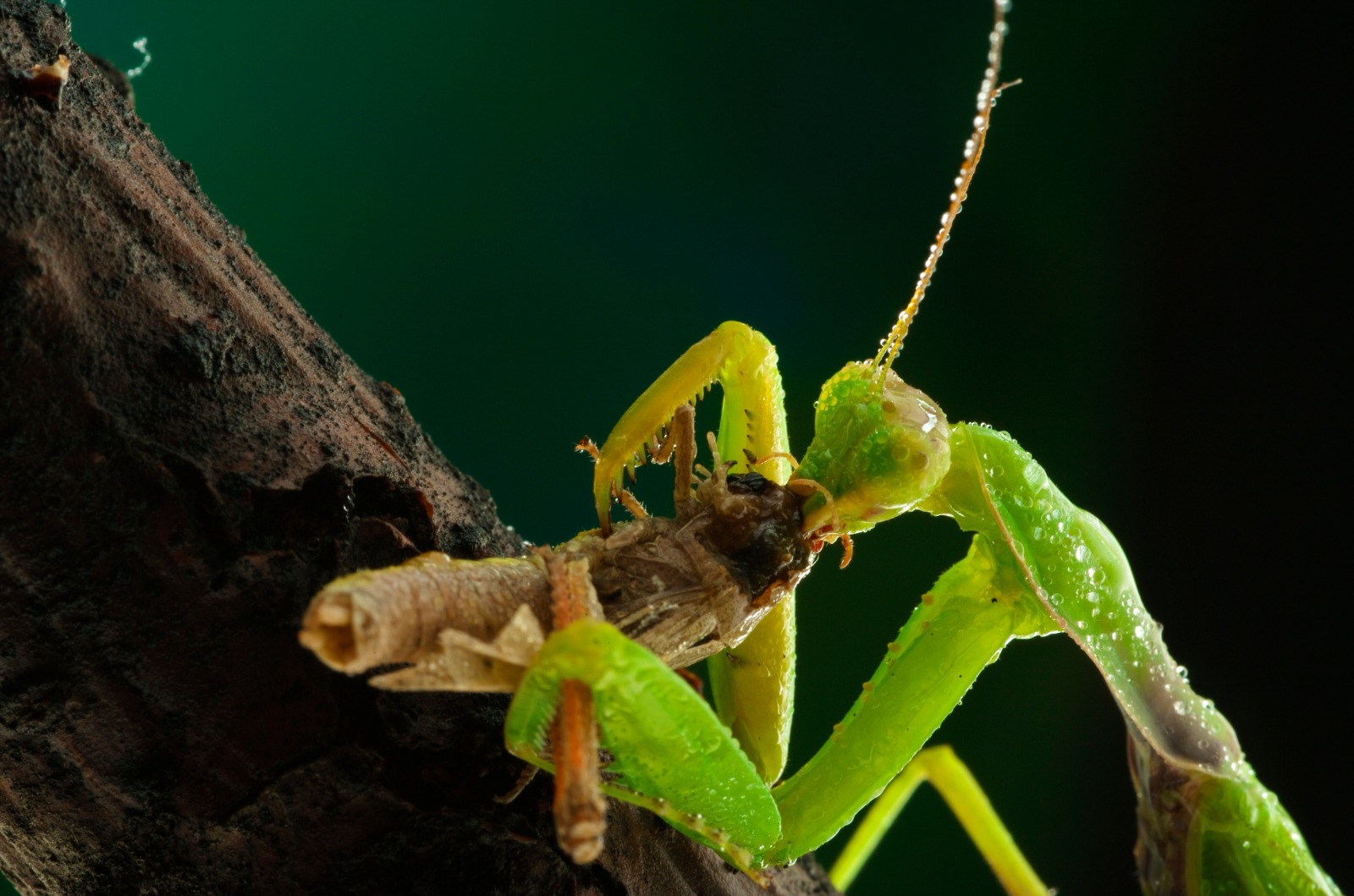
Ladybirds, lacewings, hoverflies, predatory mites and other beneficial organisms work quietly in the background, reducing pests such as aphids and helping maintain a healthy ecosystem.

Before choosing a treatment, take a moment to investigate:
● What part of the plant is affected?
● Are insects actually causing the damage?
● Could the problem be related to watering, nutrients, soil health or weather conditions?
● Are beneficial insects already helping to solve the problem?
● Are insects actually causing the damage?
● Could the problem be related to watering, nutrients, soil health or weather conditions?
● Are beneficial insects already helping to solve the problem?
A few minutes of observation can often prevent unnecessary treatments and protect the natural helpers already working in your garden.
Did you know?
Not every insect outbreak needs immediate action. In many healthy gardens, beneficial predators naturally increase when pest numbers rise, helping restore balance without intervention.
Common Garden Problems and Organic Solutions
|
Problem |
What You May Notice |
Organic Control Options |
|
Aphids |
Small insects on young shoots, curled leaves, sticky residue |
Encourage ladybirds and lacewings, remove heavily affected growth, use mild soap sprays if needed |
|
Caterpillars |
Holes in leaves, damaged seedlings, chewed edges |
Hand removal, encourage birds, use suitable biological controls |
|
Whiteflies |
Small white insects flying from leaves, yellowing foliage |
Improve airflow, use traps, encourage beneficial insects |
|
Scale insects |
Small bumps attached to stems and leaves |
Remove manually, use horticultural oils |
|
Mealybugs |
White cotton-like clusters around stems and leaf joints |
Remove carefully, use appropriate natural treatments |
|
Snails and slugs |
Overnight leaf damage, missing seedlings |
Hand removal, physical barriers, encourage natural predators |
|
Powdery mildew |
White powder-like coating on leaves |
Improve airflow, avoid wet foliage, use suitable organic treatments |
|
Leaf spots |
Brown or black marks on leaves |
Remove affected leaves, improve hygiene and reduce leaf wetness |
Always test any treatment on a small area first, as different plant species can respond differently to neem-based products, oils and sprays.
Five Natural Ways to Control Garden Pests and Diseases

1. Build Healthy Soil First
Healthy plants begin below the surface. Soil is not simply a place where roots sit; it is a living environment filled with microorganisms, fungi, worms and other organisms that support plant growth.
Healthy soil helps plants develop stronger root systems, improves nutrient availability and increases resilience against stress.
Simple ways to improve soil health include:
● Adding compost regularly
● Using organic mulch to protect moisture
● Encouraging earthworms and beneficial soil life
● Avoiding unnecessary soil disturbance
● Adding organic matter when preparing garden beds
Strong plants are naturally better equipped to recover from minor pest damage and resist disease.
Did you know?
A handful of healthy soil contains millions of microorganisms that help recycle nutrients and support plant growth.
2. Encourage Beneficial Insects and Wildlife
A healthy garden needs more than just plants; it needs the creatures that support them.
Many gardeners accidentally remove their best pest controllers by using broad-spectrum sprays that kill both harmful and beneficial insects. Instead, create an environment where nature can help you.
Consider planting:
● Native flowering plants
● Herbs such as dill, coriander and flowering basil
● Nectar-rich plants suited to your climate
● Plants that provide shelter and habitat
Beneficial garden visitors include:
|
Garden Helper |
What They Help Control |
|
Ladybirds |
Aphids and some scale insects |
|
Lacewing larvae |
Aphids, mealybugs and other soft-bodied pests |
|
Hoverflies |
Aphids |
|
Predatory mites |
Spider mites and thrips |
|
Native birds |
Caterpillars and insects |
|
Frogs |
Slugs, snails and insects |
|
Earthworms |
Soil structure and plant health |
A garden full of life is often a garden that naturally manages itself.
3. Use Physical Controls Before Sprays
Many common garden problems can be managed without any treatment products.
Simple methods include:
Remove pests by hand.
For small gardens, regularly checking plants and removing pests by hand can be surprisingly effective.
Prune affected growth
Removing badly damaged leaves or infected branches prevents many problems from spreading.
Protect young plants
Seedlings are especially vulnerable. Temporary covers, barriers and physical protection can prevent significant damage.
Improve spacing
Crowded plants create humid conditions where fungal diseases spread more easily.
Regular observation is one of the most powerful tools available to gardeners.
4. Use Natural Treatments Carefully
Sometimes pests or diseases do require additional support.
Common natural treatment options include:
● Neem-based products
● Horticultural oils
● Natural soap sprays
● Organic fungal controls
● Biological pest controls
However, it is important to remember that "natural" does not automatically mean harmless.
Some organic products can still affect beneficial insects if applied incorrectly.
Always:
● Follow label instructions
● Avoid spraying during extreme heat.
● Avoid spraying flowering plants when pollinators are active.
● Test products on a small area first
● Use the least disruptive option available.
The goal is not to replace harmful products with natural products; it is to choose the most appropriate solution for the situation.
5. Prevention Is Always Better Than Cure
The easiest pest problem to manage is the one that never happens.
Preventative gardening practices include:
● Choosing plants suited to your local climate
● Buying healthy plants from trusted growers
● Providing the correct amount of sunlight and water
● Avoiding overcrowded planting
● Maintaining garden hygiene
● Removing diseased material promptly
A well-planned garden is usually healthier, more productive and easier to maintain.