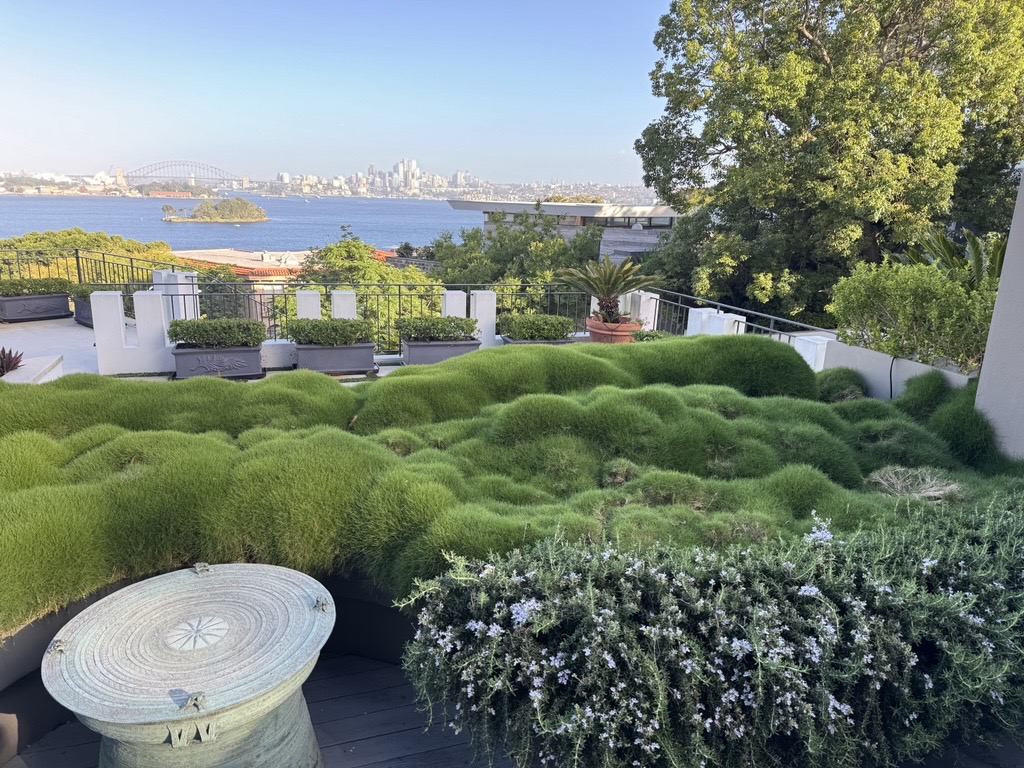
Consider ditching the traditional green lawn for something low-maintenance and better for the environment. You're in good company. A growing number of homeowners are switching to Australian native lawn alternatives, meadow-style grasses, and habitat-friendly plantings. In this guide, we'll cover why grass lawns are falling out of favour, which native groundcover plants actually do well in Australia's climate, and how to convert even a small patch of lawn without it becoming a weekend-long project.
Why are Australians rethinking traditional lawns?
Traditional turfgrass has long been the go-to option because it's ideal for recreational activities. They tend to bounce back even when you walk or drive over them. But they take effort, consistency, resources and time to keep them thriving.
Here are a few reasons why sustainable lawns are a better alternative (not as a complete replacement but as a smarter default for some sections of your garden):
Water Usage - Maintaining a consistently green lawn through a hot Australian summer can require significant supplementary watering, depending on the turf species, soil and local climate.
The mowing treadmill: Mowing, edging and fertilising your lawn eats into your precious weekends, which most people would rather be pottering in the veggie patch or simply enjoying their garden. Many low-growing native groundcovers and some native grasses require considerably less mowing than conventional turf.
Wide native varieties grow slowly and don’t shoot up after every bit of rain. Well-selected native groundcovers can often require less fertiliser than intensively maintained turf. Synthetic fertilisers generally speed up growth and add to maintenance.
Changing climatic conditions: Australia’s summers have more hot days and warmer months than in past decades. This shift is forcing people to adopt sustainable climate-smart practices.
A desire for biodiversity: More gardeners want their outdoor space to do something - support bees, attract birds, or look less like a green carpet and more like a living garden
None of this means lawns are the enemy. It simply means more people are asking whether every square metre of their yard really needs to be grass.
Do You Need to Remove All Your Lawn? (No - and Here's Why)
This is worth saying clearly: an alternative lawn option doesn't mean you shouldn’t retain traditional grass. In fact, there are some genuinely good reasons to keep a traditional grass turf:
Kids and pets
Kids and pets need a soft, resilient surface for running around, so it's best to keep your green grass in heavy play areas.
Entertaining areas
Love hosting backyard parties, family barbecues, or setting up a portable pool for the kids on a hot day? This is one spot where good old hardy grass still earns its keep. Groundcovers are lovely to look at, but they're not built to handle foot traffic and dragged-out chairs every weekend. For the areas where life actually happens outdoors, stick with a tough, resilient turf that can bounce back from all that use.
Therefore, the smartest approach for most Australian backyards is a hybrid - a smaller, purposeful lawn area paired with alternative native turfs in other suitable areas like unused front yards, sloped banks, and narrow strips between pathways.
Australian Native Groundcover Plants as Lawn Alternatives
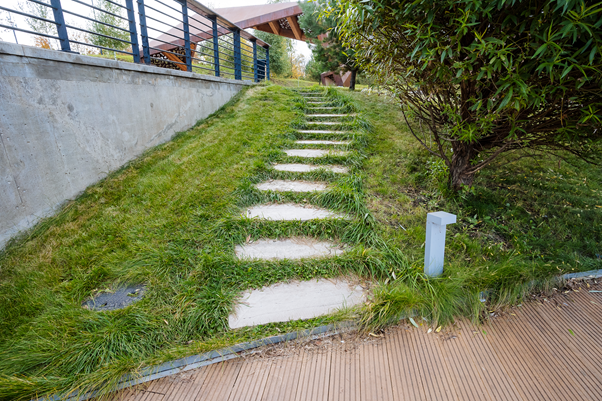
Drought-tolerant ground covers are the backbone of most lawn replacement projects. Beyond looking good, many native groundcover plants act as living mulch - retaining soil moisture, suppressing weeds and slowly knitting themselves into a dense, self-sustaining mat.
Before diving in, it's worth splitting these into two rough categories: walkable options that can handle a light stroll across them, and decorative groundcovers, which are better admired from a path than walked on.
#1 Dichondra repens
Foot traffic: Light - walkable
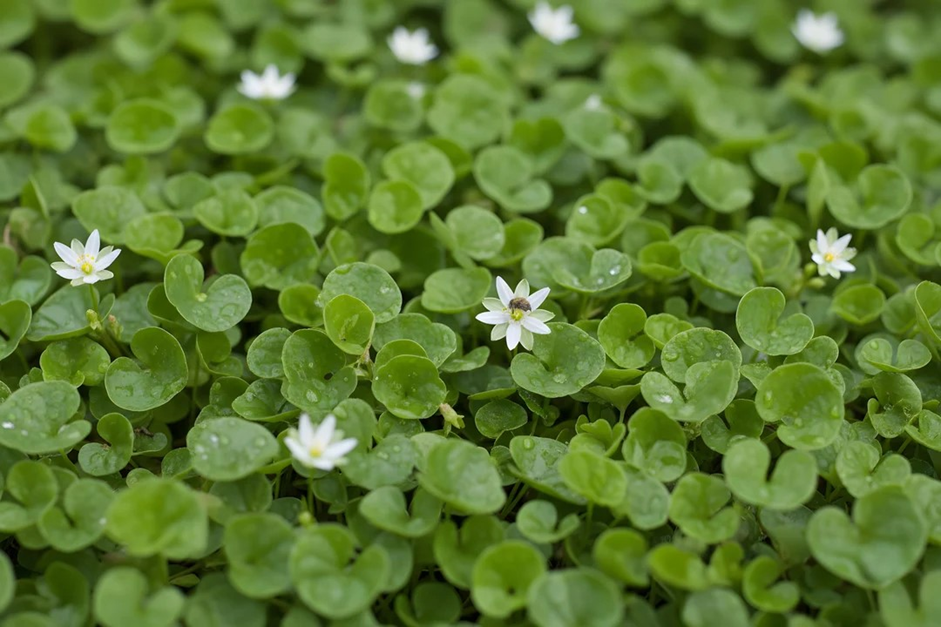
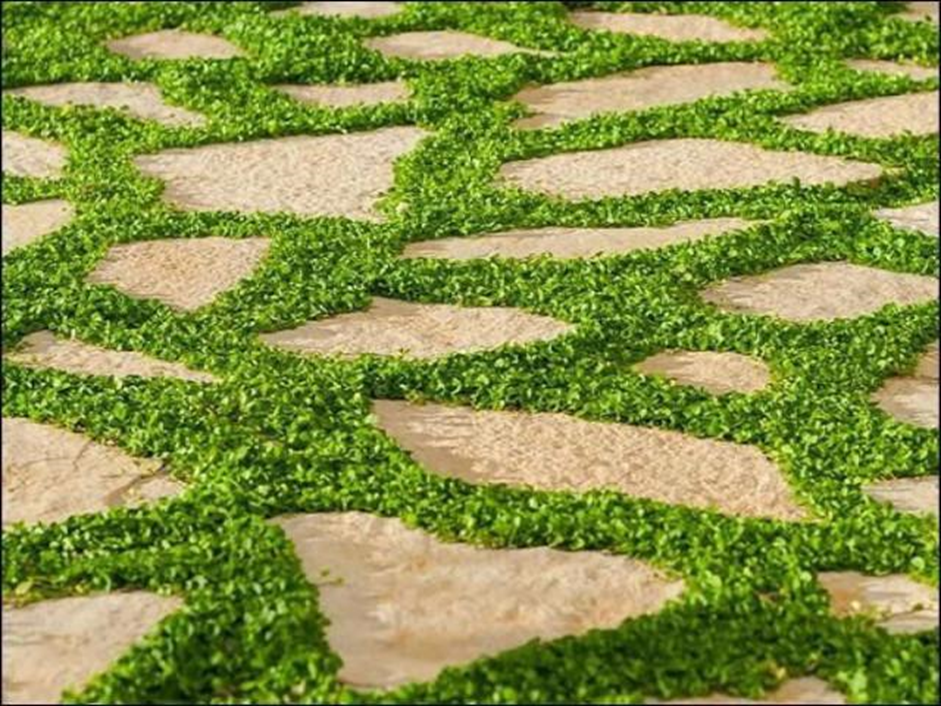
Dichondra repens is a popular, low-growing perennial creeper and a fantastic low-maintenance lawn substitute. It is soft and bright green and the closest thing to a "lawn-like" groundcover. It forms a dense mat-like carpet and tolerates light foot traffic.
It is ideal for smaller areas and pathways you don’t want to mow often.
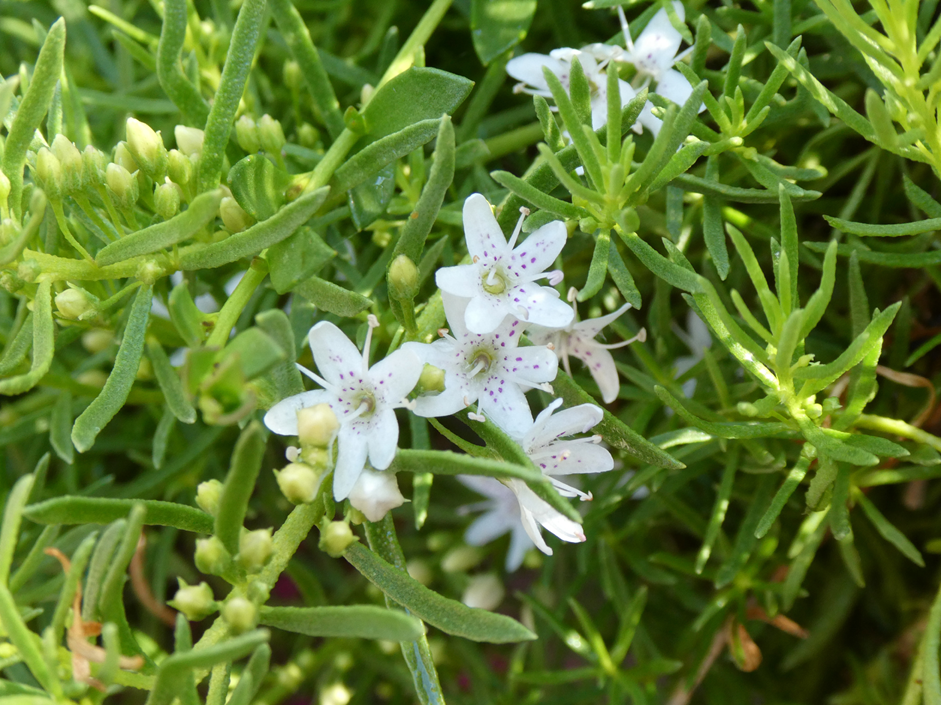
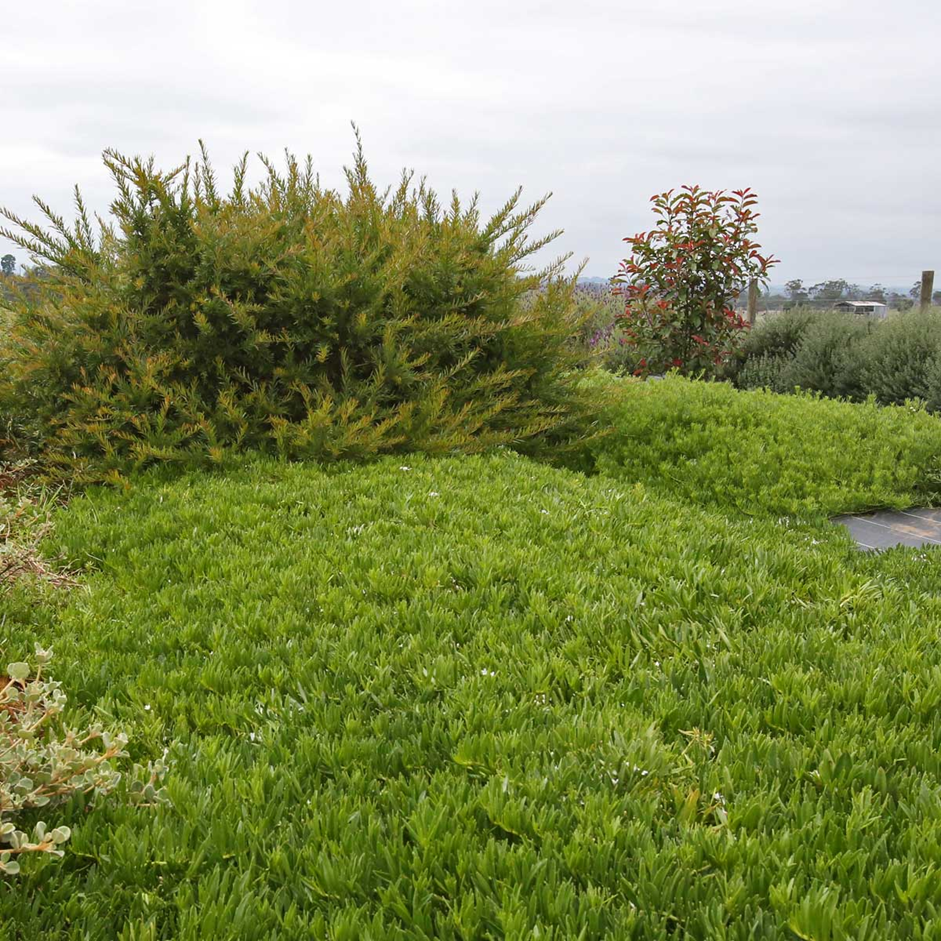
#2 Myoporum parvifolium
Foot traffic: Not suitable - decorative only
Myoporum parvifolium is a hardy, fast-spreading groundcover suited to a range of soils and particularly well suited to sunny positions. This hardy native requires less water, helps stop weeds, and eliminates the need for regular mowing. It's better suited to visual impact than a high-traffic play area.
#3 Zoysia Grass (Zoysia tenuifolia)
Foot traffic: Light – walkable
Zoysia tenuifolia, commonly known as Korean Velvet Grass or No-Mow Grass, is a very fine-leaved, slow-growing Zoysia that develops into a dense, soft-looking carpet with a distinctive mounded or undulating appearance. Its slow vertical growth means it requires very little mowing, making it an attractive low-maintenance alternative to a conventional lawn. Once established, it has good drought tolerance, although it performs best with some supplementary watering during extended dry periods.
Unlike tougher turf varieties, Zoysia tenuifolia is not ideal for areas with frequent or heavy foot traffic, but it can tolerate occasional light walking.
Best suited to low-traffic lawns, ornamental areas, around stepping stones and between pavers where its soft, textured appearance can be appreciated.
*Note: Although this article focuses primarily on Australian native lawn alternatives, Zoysia tenuifolia is an exception. This species is not native to Australia and originates from parts of Asia and the western Pacific. It has been included because of its popularity as a low-growing, low-maintenance lawn alternative.
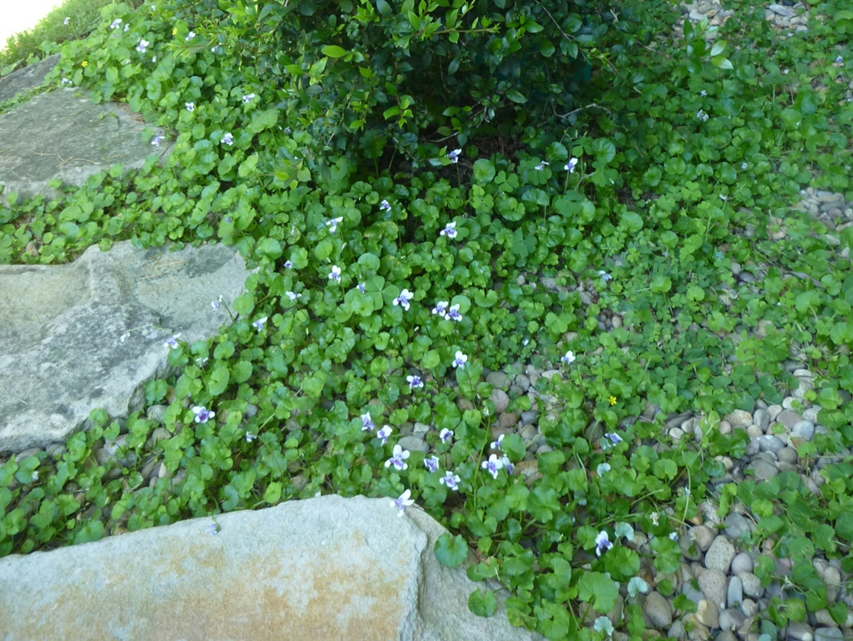
#4 Native Violet (Viola hederacea)
Foot traffic: Not suitable - decorative only
The Native Violet (Viola hederacea) is shade-loving, with pretty white-and-purple flowers, ideal for growing under trees where grass usually struggles. It stays low (10- 15 cm) and doesn't need mowing. Its dense, intertwined growth also crowds out unwanted weeds. If you want a biodiverse turf, this is the pick of the bunch because it attracts beneficial pollinators.
However, it doesn’t tolerate heavy foot traffic. Therefore, avoid it in high-traffic areas and intense mid-day sun.
Plant in shady areas like under a tree, along cool walls in the southern direction or between pavers.
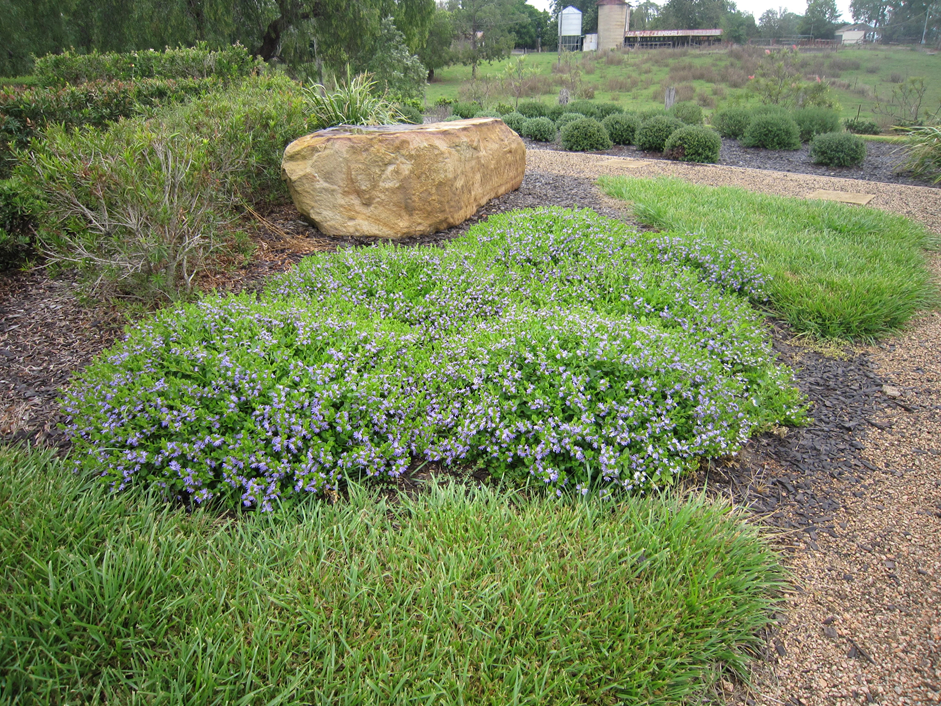
#5 Scaevola
Foot traffic: Not suitable - decorative only
Scaevola is a flowering plant that makes for brilliant groundcovers and is low-maintenance and hardy. It thrives in full sun, is highly drought-tolerant and also attracts pollinating insects like bees and butterflies.
Best planted on decorative slopes and border edges.
#6 Brachyscome (Native daisy)
Foot traffic: Not suitable - decorative only
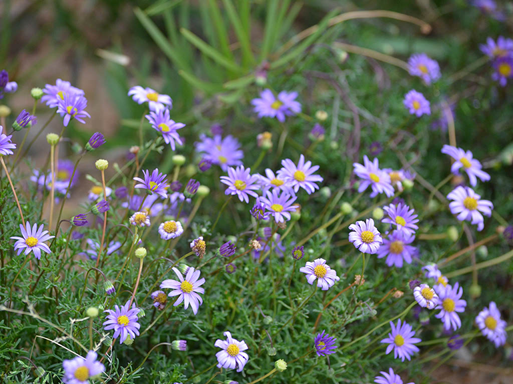
Brachyscome (native daisy) is low-maintenance, eco-friendly, and a drought-tolerant groundcover. It creates a soft, colourful mat of flowers for much of the year. It is great for pollinators and perfect for sustainable modern landscapes. It grows densely and suppresses weeds in the process.
It looks gorgeous when planted between rockeries and pavers, creating an eye-catching spread with cottage garden vibes.
#7 Grevillea ‘Prostrate Gold’
Foot traffic: Not suitable - decorative only
Prostrate Grevillea is a drought-tolerant, hardy evergreen shrub. Though not the ideal replacement for traditional turf, it’s great as low-lying ground cover. It doesn’t need constant mowing and requires very little water once established. It also keeps weeds at bay. It spreads and brings nectar-rich flowers for honeyeaters and native bees while covering the ground densely.
Grevillea Prostate Gold is ideal for large areas where regular grass struggles and also looks fabulous on steep banks and rockeries.
Drought-tolerant doesn't mean drought-proof. Even the hardiest natives need consistent watering while they're establishing - usually the first two to three months. Skipping this step is one of the most common reasons a new planting struggles.
Native Grasses and Meadow-Style Gardens
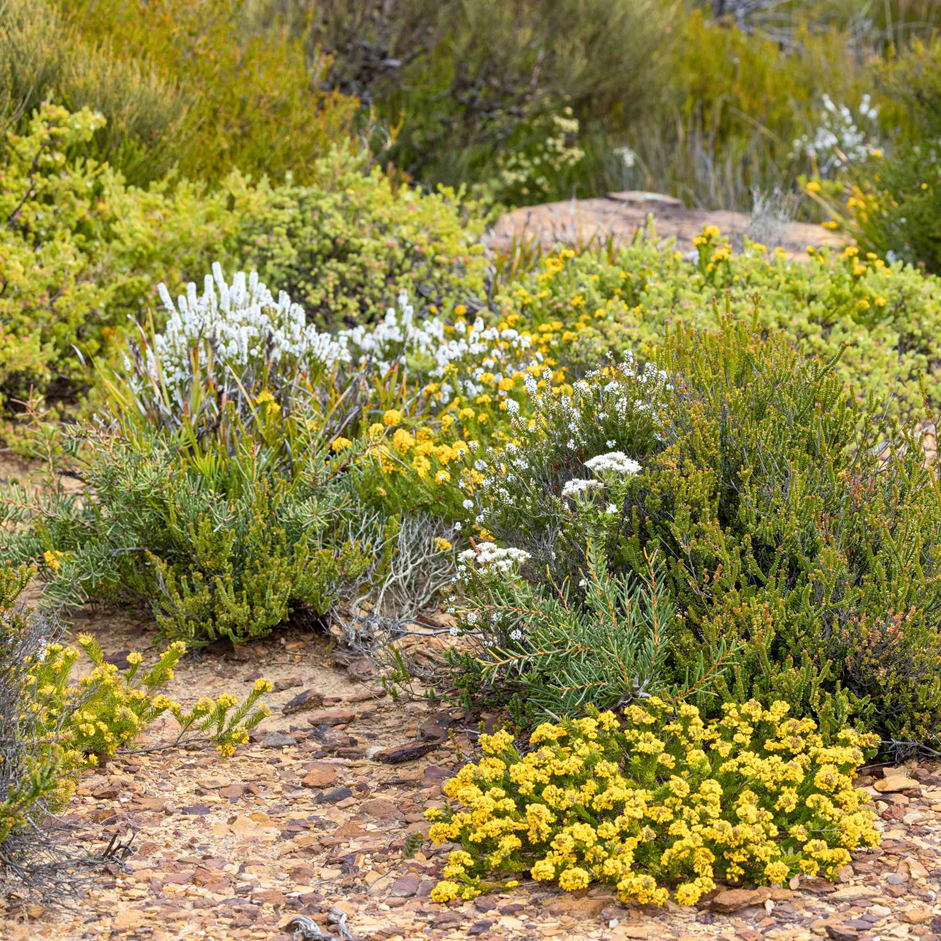
For anyone who loves the look of a grassy, open lawn but not the upkeep, native grasses offer a middle ground between formal turf and groundcover beds.
Weeping Grass (Microlaena stipoides)
Foot traffic: Light - walkable
Choose weeping grass if you want a native grass that looks closest to a traditional lawn. It is soft and shade-tolerant, often used as a genuine lawn substitute in cooler climates.
Wallaby Grass (Rytidosperma spp.)
Foot traffic: Not suitable - decorative only
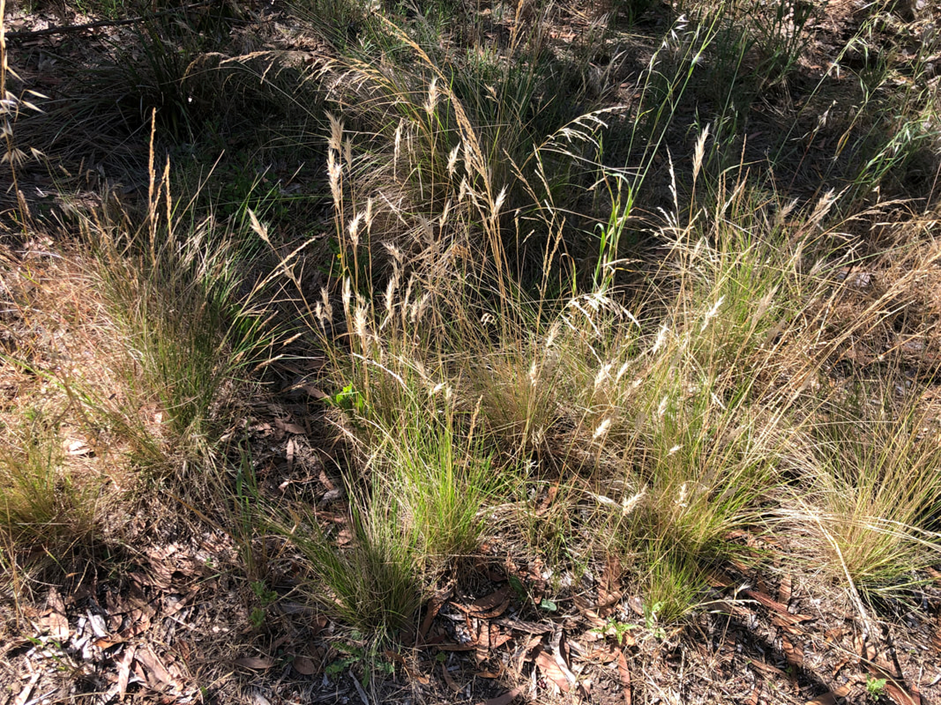
A native perennial grass with fine leaves and fluffy, whitish seedheads that sway attractively and cope well with dry spells. It is hardy, grows well even in poor soil, and supports local wildlife.
Kangaroo Grass (Themeda triandra)
Foot traffic: Not suitable - decorative only
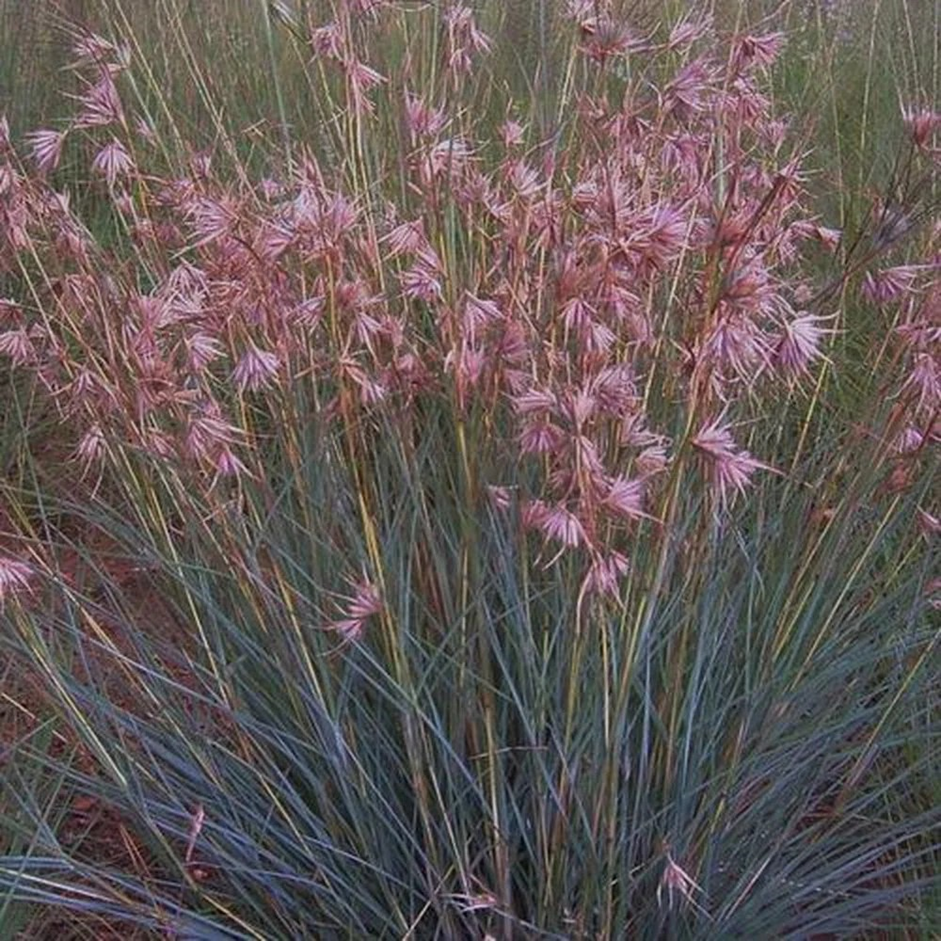
Kangaroo Grass (Themeda triandra) is a striking, reddish-bronze warm-season perennial grass that anchors a meadow-style planting and needs very little intervention once established. It is low-maintenance and a great alternative for low-traffic areas.
These native grasses work beautifully massed together as a "no-mow meadow" - a naturalistic, textured alternative to a manicured lawn.
At a Glance: A table to compare your native groundcover options
|
Plant |
Sun / Shade |
Foot Traffic |
Water Needs |
Best Use |
|
Dichondra repens |
Part and full shade |
Light- walkable |
Low–moderate once established; performs best with some moisture |
Pathways, smaller areas |
|
Myoporum parvifolium |
Full sun |
Not suitable |
Low once established |
Sunny banks, borders |
|
*Zoysia tenuifolia |
Full sun to light shade |
Light – walkable |
Low once established |
Low-traffic lawns, between pavers and ornamental areas |
|
Native Violet |
Mid morning full sun to part shade |
Not suitable |
Moderate |
Under trees, shaded beds |
|
Scaevola |
Full sun |
Not suitable |
Low once established |
Slopes, border edges |
|
Brachyscome |
Full sun |
Not Suitable |
Low once established |
Between pavers, rockeries |
|
Prostrate Grevilleas |
Full sun |
Not Suitable |
Low once established |
Large areas, steep banks |
|
Weeping Grass |
Full sun to part shade |
Light- walkable |
Low once established |
Cooler climate lawn substitute |
|
Wallaby Grass |
Full sun |
Not suitable |
Low, drought-tolerant |
Meadow-style plantings |
|
Kangaroo Grass |
Full sun |
Not suitable |
Low once established |
Meadow-style plantings |
Matching Native Lawn Alternatives in Australia to Your Climate
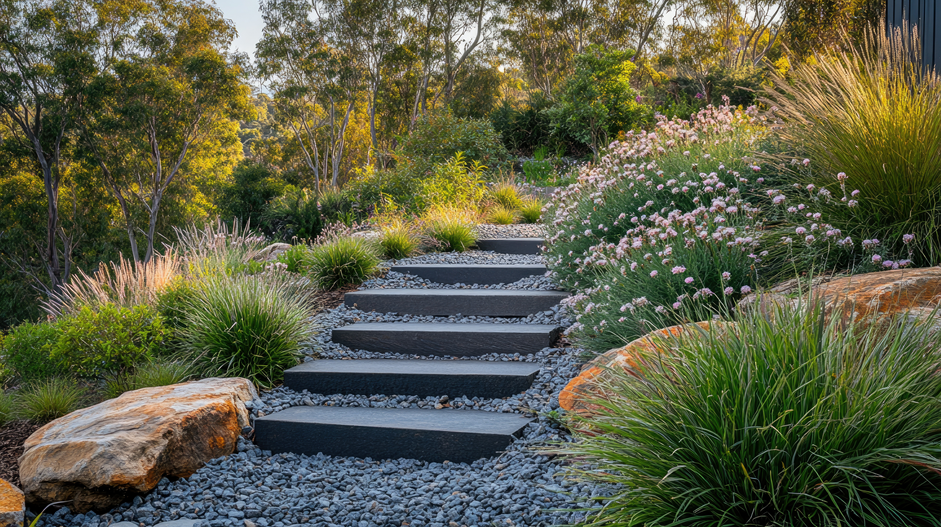
What thrives in the subtropics, like Queensland or New South Wales, can sulk or rot in Melbourne, and grass alternatives that love Perth's sandy soils might struggle in Adelaide's clay. Before picking a lawn alternative, consider these factors:
● Climate zone - Subtropical, temperate, Mediterranean or arid conditions each favour different species, so pick carefully.
● Soil type - Sandy, clay and loam soils differ in drainage, compaction and moisture retention. Choose plants suited to your conditions, and consider salt tolerance separately in coastal or saline locations.
● Rainfall - Some groundcovers (like Dichondra) prefer consistent moisture and frequent watering; others (like Myoporum) are built for dry spells.
● Sun and shade - Native Violet handles shade well; Scaevola and Brachyscome generally want full sun.
A Checklist Before You Choose Native Grasses: Ask Yourself:
● How much sun or shade does the area get?
● How much foot traffic will it need to handle?
● What's the soil type - sandy, clay or loam?
● Does the spot stay damp, or dry out quickly?
Having a quick chat with a local native plant nursery can give beginner guidance - they'll know what performs well street by street, not just state by state.
Lawn to Garden Conversion: A Practical Walkthrough
1. Remove or stop the existing turf from growing: Dig out your lawn, or try sheet mulching, a no-dig gardening method that builds rich soil and kills existing weeds by layering cardboard, compost, and organic matter directly over the grass or dirt.
2. Clear weeds thoroughly: This is a crucial step - you need to pull out the weeds before the groundcovers establish.
3. Get the soil ready: Loosen compacted or tightly held ground and add compost, especially in clay-heavy areas, as it improves clay’s structure and helps it drain better.
4. Plant closely: When groundcovers are spaced apart, they leave room for weeds to grow.
5. Mulch around new plantings: Mulching helps retain soil moisture, regulate soil temperature and suppress weed growth while supporting beneficial soil organisms. Organic mulches can also gradually add nutrients and organic matter as they break down.
6. Keep up consistent watering while plants establish. Most natives need regular watering for the first few months, including drought-tolerant species. Once established, watering can generally be reduced based on the species, weather, and local growing conditions.
Start Small: Partial Lawn Replacement Plants for Beginners
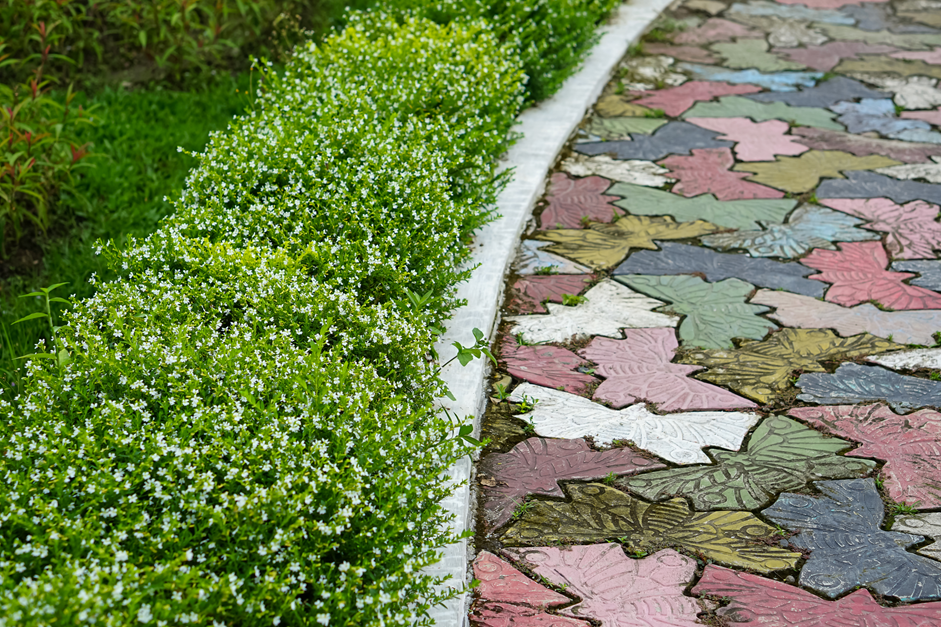
You do not have to replace an entire backyard at once; instead, begin with these areas:
Nature Strip:
You can start with the nature strip between the footpath/sidewalk and the road, right outside your property boundary. These are areas which often get little attention anyway.
Before you plant on the nature strip: Rules around what you can plant on a verge or nature strip vary by council, and some have restrictions on plant height, sightlines and approved species. It’s also worth checking Before You Dig Australia (BYDA) for information about underground services before digging. A quick check with your local council first can save you having to redo the work later.
A Steep Slope or a difficult corner:
Start with sloped areas that are tricky to mow and are awkward and slippery. You can also target other corners where grass struggles to grow (under a tree)
Side passages:
Try narrow strips beside the house that are usually shady or too narrow to mow properly and get very little foot traffic.
Setting Realistic Expectations for Groundcovers for Australian gardens
It’s worth being upfront that a lawn alternative isn’t a “set and forget” project. Most of these native groundcovers still need:
● Regular watering until the plants are established.
● Occasional pruning to keep growth dense and tidy.
● Controlling weeds, especially during the first year. Don’t let weeds flower and set seed.
● Seasonal maintenance.
Seasonal maintenance as needed.
The trade-off is worth your while. Once established, most of these alternatives need less water, less mowing, and dramatically less fertiliser than traditional turf.
Want more tips and guides like these? Pop over to PlantArk’s blog section for gardening advice! Or visit our online plant marketplace in Australia if you're keen to pick up a few plants and get started this weekend.
Frequently Asked Questions
What is the best lawn alternative for Australian gardens?
While there isn’t a single option, choose what suits your climate and space. Consider foot traffic and aesthetics before deciding.
Are native groundcovers really low maintenance?
Yes, they're much lower maintenance than traditional turf. They need attention during the first few months of establishment. Once they mature, occasional trimming or weeding and watering once in a while is good enough.
Can I replace my whole lawn with groundcovers?
Yes, you can, but it’s smarter to keep a traditional lawn for kids, pets or for entertaining. You can replace the other low-traffic areas with native grasses.
How long does it take for groundcovers to cover an area fully?
Coverage time varies considerably depending on the species, starting plant size, spacing, climate and growing conditions. Some fast-growing groundcovers may begin knitting together within a growing season, while others can take considerably longer to achieve full coverage..