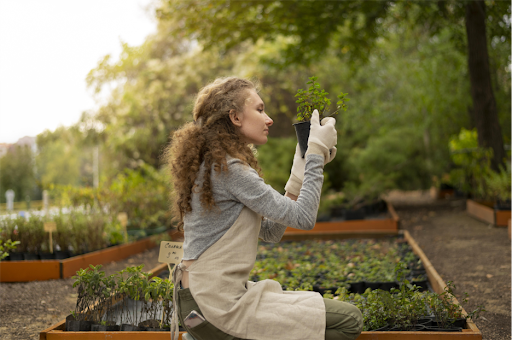
For many, gardening is more than just a hobby; it's a passion. It’s an opportunity to nurture life, improve your surroundings, and give back to the planet. Having said that, the world is facing climatic changes and there is scarcity of resources. Our gardening style takes on a whole new definition. Sustainable gardening! It is the need of the hour, and a small tweak in habits that could help you return the favour to our planet.
In this guide, let’s explore what sustainable gardening encompasses, eco-friendly gardening practices, right from composting at home to rainwater harvesting. These useful tips will help you create a sustainable garden with minimal resources.
What is Sustainable Gardening?
At its core, sustainable gardening is an approach to conserving resources and supporting local ecosystems. It also creates a self-sufficient garden that is environmentally friendly. It’s about being smart with your resources, encouraging biodiversity, and reducing the carbon footprint of your garden.
Key aspects include:
Eco-friendly gardening: The usage of natural fertilizers, avoiding harmful chemicals, and making use of renewable resources.
Planting Native Plants: Planting local species that are adapted to Australia’s climate, thus reducing water usage and supporting local wildlife.
Low-impact gardening: Minimizing energy use and reducing waste from your garden.
Composting at Home: Turning Waste into Garden Gold
The best way to start your sustainable gardening process is by collecting waste from your garden and kitchen and turning it into compost. Instead of throwing away vegetable scraps, garden trimmings, and other organic matter, composting them into nutrient-rich soil and feeding them back to your plants will provide them with nutrients.
Benefits of Composting
Reduces waste: When you turn your waste into compost, you are reducing the waste that goes into landfill, and in turn reducing the methane emissions.
Improves soil health: Compost is known to enrich soil structure, boost fertility, and help in moisture retention.
Supports sustainable gardening: The need to use chemical fertilisers is reduced when you use compost.
How to Start Composting at Home

- Choose a compost bin or pile: While there are containers made specifically for composting waste, even a simple plastic bin works well to start composting.
- Add green and brown materials: Add green waste like vegetable scraps and brown waste like coffee grounds, dried leaves, or cardboard.
- Maintain balance: The trick is to keep your compost moist but not soggy. Remember to aerate it by using a garden spatula and turning it every week.
- Harvest: In about 2-4 months, your compost is ready to enrich your garden soil.
Collecting Rainwater for Your Garden
Water is the most precious resource, and sustainable gardening includes strategies that are effective and practical. For example, rainwater harvesting reduces reliance on municipal water and keeps your plants hydrated.
How to Collect Rainwater for Your Garden:
Install a rainwater tank: Connect the rainwater tank to your roof gutters to collect runoff .
Use barrels for small gardens: Capture rain directly by positioning the barrels under downspouts.
Distribute water wisely: Try and water your plants early morning or evening to minimize evaporation.
Connect drip irrigation or soaker hoses: This is perfect for water-wise gardening and to keep roots happy.
Collecting rainwater saves money and also contributes to low-impact gardening.
Why Native Plants Are a Game-Changer
Planting native species is central to sustainable landscaping. Native plants are naturally adapted to the local climate, making them resilient, low-maintenance, and supporting local wildlife.
Benefits of Native Plants for Sustainable Landscaping:
- Reduced water needs: ideal for water-wise gardening
- Minimal fertiliser use: Your garden is more eco-friendly.
- Support local pollinators, such as butterflies and bees.
- Improves biodiversity and strengthens your garden ecosystem
Some Australian native species available at PlantArk include:
- Bulbophyllum – Bulbophyllums are unique orchids that thrive with minimal fuss.
- Dendrobium – Dendroblums are beautiful and hardy, ideal for indoor or outdoor settings.
- Dockrillia – Dockrillias are exotic orchids that attract pollinators naturally.
- Platycerium – Platyceriums are Iconic staghorn ferns that bring texture and life.
- Sarcochilus – Sarcochilus are orchids perfect for small garden spots.
- Brachyscome iberidifolia – Native Daisies that attract pollinators
Buy some of these native plants online in Australia directly from PlantArk’s online marketplace!
Low-Impact Gardening: Small Steps, Big Change
Basically, low-impact gardening means making gardening choices that create less strain on the environment. Below are ways you can incorporate it into your routine:
- Mulching your garden beds: Saves water and helps control weeds.
- Choosing drought-tolerant species: Saves water and saves you time.
- Limiting chemicals: choosing organic fertilisers and using natural pest controls.
- Recycling and reusing: for example, upcycling pots, garden tools, and other materials.
Even small steps make a difference in water-wise gardening, while reducing your carbon footprint and establishing a healthy eco-garden.
Water-Wise Gardening: Efficiency Meets Beauty
Water-wise gardening is all about giving plants what they need, no more and no less, with as little waste as possible. Plan your new garden with a combination of native plants, rainwater collection (barrels or cisterns), and mulching to create a stunning garden that is both beautiful and environmentally friendly!
Here are some tips for water-wise gardening:
- Cluster plants together with the same water requirements.
- Use drip irrigation to put water directly where it needs to go and not to waste.
- Use mulch to keep moisture in unattached soil and reduce evaporation.
- Use native groundcovers or a layer of mulch compost to reduce the soil exposure to bare soil and evaporation.
Water-wise gardening not only uses your resources efficiently but will also save you money and energy as well in the long-run.
Putting It All Together

Engaging in sustainable gardening, eco-friendly gardening, and engaging native plants shouldn't be hard work. By composting at home, collecting rainwater, and selecting low-maintenance native plants such as Platycerium, Callistemon, you create a garden that operates in a natural and responsible manner.
Imagine a backyard teeming with orchid species like Bulbophyllum and Dendrobium, greenery aplenty from your Platycerium ferns, gardens with buzzing pollinators, and impactful horticultural practices that make a difference for the environment.
How PlantArk can help you garden sustainably
PlantArk is your native plant marketplace for Australian gardeners to buy native plants online.
Learn about planting tips and sustainable gardening techniques with every purchase.
Become part of a community survey of other like-minded gardeners.
Connect with us on Instagram: @PlantArkAustralia.
Ready to transform your garden into a sustainable oasis? Order native plants online in Australia today and begin your eco-friendly gardening, at-home composting, and low-impact landscaping journey. Your plants and planet will thank you.