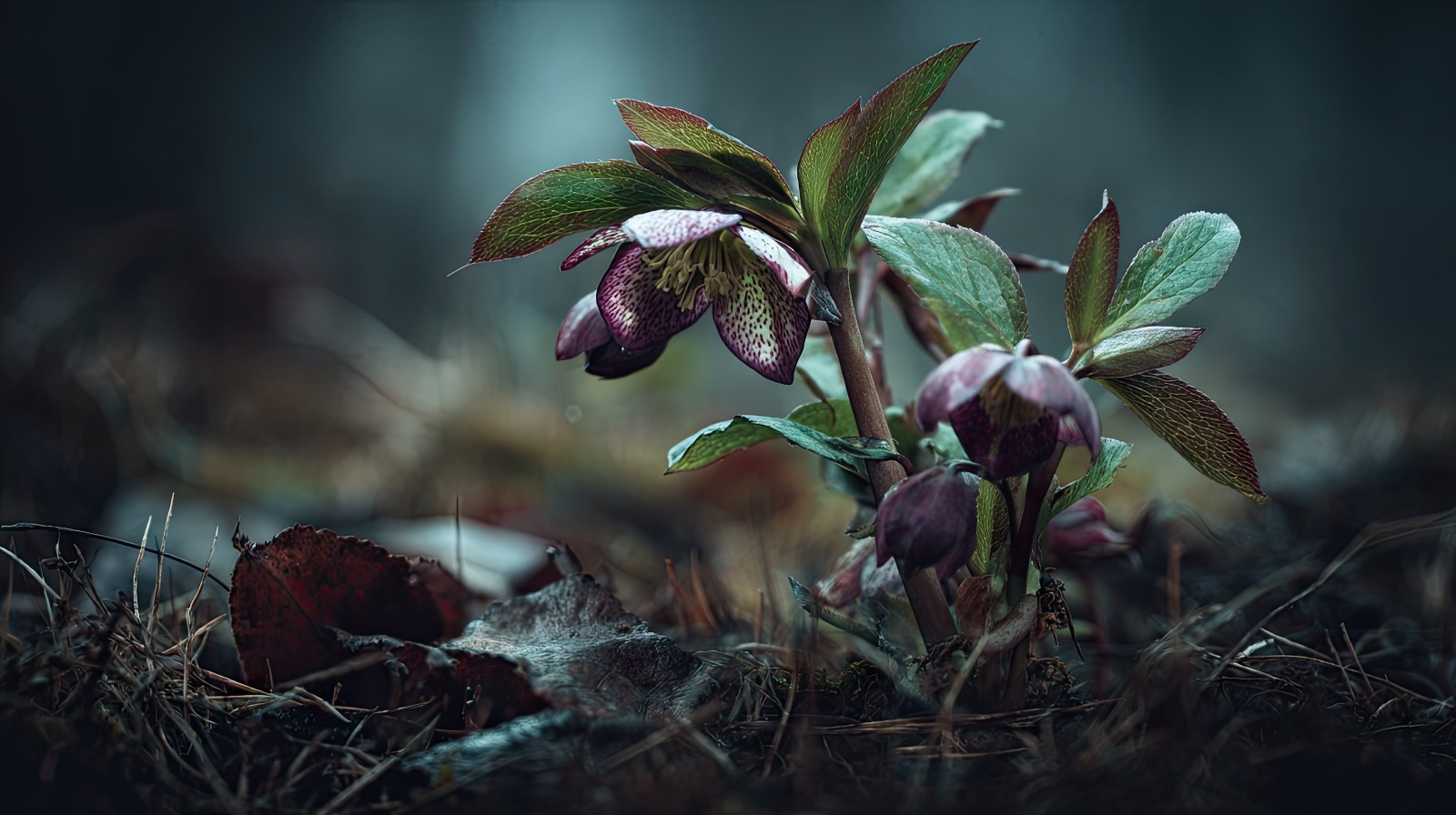
Don’t put away your tools when Aussie winter starts. Winter is the season to build soil health, streamline maintenance, save water, and get ready for spring.
Neglecting your garden during this period often leads to more work later, from pest issues and poor soil to an explosion of weeds.
The effort you invest in June, July, and August will benefit your garden when spring arrives.
In the last blog, we covered autumn gardening. Now let’s explore how to prepare your garden for winter and the practical maintenance steps that matter most.
What Actually Matters In Winter Gardening In Australia
During winter, your focus should be on soil health and root systems, not on visible growth.
Many plants stop their top growth in winter, but underground root and soil activity continue. Many soil microbes remain active through winter, and roots can still absorb nutrients.
How that underground activity behaves depends on where you are in Australia. Winter conditions vary across Australia, and so do soil challenges.
In parts of Victoria and South Australia, clay-rich soil can become dense after prolonged rain.
Whereas in coastal NSW gardens, trapped moisture around roots can create fungal problems really fast.
And, in the dry inland desert regions, cold winds strip moisture from exposed soil even during winter.
Sorting these issues in winter makes spring much easier.
So, the difference between a prepared garden and an unprepared one becomes quite obvious by September. A winter garden maintenance checklist will help you keep up:
Healthy Soil Comes First in Winter

Your mantra for winter gardening in Australia should be: Soil! Soil! Soil! Here are essential practices you should pursue:
Composting: Why Winter Composting Matters For Australian Gardens
Winter compost helps protect soil from wind, rain, and erosion.
It feeds soil microbes, so your plants grow stronger in spring.
Composting turns kitchen and garden waste into natural fertiliser.
Mulching with compost in winter helps stop weeds before they start.
How To Compost During Winter?
Collect kitchen scraps and garden clippings, avoiding meat or dairy.
Add scraps and clippings, with dry leaves or cardboard, into your compost bin, heap, or worm farm in a sheltered, sunny spot.
Mix compost weekly. For quick results, try a Bokashi bin or worm farm.
Spread finished compost on your garden beds after a few weeks.
Give your compost a good turn every week.
Want quick results? Try a Bokashi bin or a worm farm; they’ll keep working even when it’s chilly.
After a few weeks, spread the finished compost on garden beds.
Supporting Soil Health Naturally

Liquid soil conditioners and probiotics like Seasol, GoGo Juice, worm tea, or fish emulsion can also give winter soil a gentle boost. These products help support beneficial microbes, improve root health, and reduce plant stress during colder months when growth naturally slows down. Applying them every few weeks during winter can help keep soil biology active and prepare plants for stronger growth once spring returns.
A good example of this in practice comes from a Brisbane gardener who kept her raised beds productive all winter by topping them up with compost every few weeks, rather than leaving the soil bare after autumn harvesting.
The beds held moisture better, earthworms stayed active, and by spring, the soil texture was noticeably richer than neighbouring beds.
No-Dig Gardening: Letting Compost Do the Quiet Work Underneath
Once you’ve added compost, you can take a more hands-off approach. Just keep layering organic matter and let time and worms do the rest.
Your soil stays undisturbed, compost breaks down slowly, and underneath it all, you are making the soil easier to work with once growth returns.
2. Smart Winter Pruning
Winter pruning is one of those jobs people either skip altogether or go way too hard on.
In warmer areas like Sydney, winter is the easiest time to manage fast-growing hedges and bamboo. Growth slows, and the structure is easier to see.
In cooler regions like Victoria and Tasmania, be more careful. Cutting back tender plants too early can expose them to frost damage.
The rule of thumb? Cut out anything dead, diseased, or blocking airflow, but leave healthy growth to shield your plants from the cold. Take ornamental grasses - lots of gardeners leave them standing through winter to protect the base and help insects, then trim them back just before spring kicks off.
Garden Trends 2026: Smarter, More Functional Gardens

Australian gardens are shifting towards resilience and functionality. The main trend is making gardens more practical so they’re easier to manage year-round.
Edible and Ornamental Gardens Are Blending Together
Edible gardens with an ornamental appeal serve both aesthetic and culinary purposes. More people are planting herbs, vegetables, native plants, and flowers together instead of keeping them in separate areas.
For example, rosemary is used as a border, citrus trees are grown in small courtyards, kale is planted next to flowers, and lavender is added to edible beds because it handles dry conditions and adds structure.
Low-Maintenance Garden Design Is Growing Fast
Landscapers are noticing that homeowners no longer want gardens that require constant attention.
People are now choosing garden systems that naturally reduce upkeep and fit into everyday routines.
That means:
dense planting to suppress weeds
drought-tolerant species
automated irrigation
heavy mulching
grouping plants with similar water needs together
For example, a Perth homeowner cut down on summer watering by swapping out thirsty plants for grouped native species and adding thicker winter mulch.
This approach made garden maintenance easier right away.
Climate-Resilient Planting Is Becoming Essential

In regions like Western Sydney and Perth, many gardeners are noticing that seasons don't feel as predictable as they used to. The rains are getting heavier, hot spells are arriving earlier, and plants that could handle winter easily now struggle with the sudden temperature swings.
Because of this, more gardeners are choosing plants that can withstand changes in wet, dry, hot, and cold weather without requiring much care.
Native plants are becoming more popular because they adapt well to local conditions and support pollinators.
Working Smarter Instead of Harder in Winter
The best winter garden maintenance habits are usually the simplest ones. These small tasks reduce work later, and good winter habits often make the biggest difference of all.
Checking the soil before watering, rather than watering automatically.
Leaving leaves under shrubs as insulation instead of removing every fallen leaf.
Adjusting irrigation schedules for shorter days.
Moving potted plants to catch the winter sun.
These small changes reduce work later.
Common Winter Gardening Mistakes

Most of these winter gardening mistakes appear in almost every Australian garden.
The first mistake is ‘exposed soil’.
Many homeowners clean garden beds too aggressively during winter. They remove leaves, old mulch, and organic matter until beds are completely bare. But exposed soil loses moisture faster, develops weeds more easily, and struggles with temperature swings.
Another common issue is ignoring drainage.
Winter is often when drainage problems finally become obvious. Water pooling around roots for days should never be ignored, as it often leads to long-term stress by spring.
And pests don't disappear in winter either.
Snails, scale insects, aphids, and fungal diseases stay active through colder months, especially in humid areas. Winter pest problems often become spring infestations if left unmanaged.
Looking Ahead to Spring

A rewarding aspect of winter gardening is its gradual payoff.
You notice it in early spring - mulched soil feels richer, weeds are easier to manage, and plants recover faster after cold weather, while watering becomes less demanding.
Winter gardening rarely looks dramatic while you're doing it. Some mornings it's just cold hands, damp shoes, pruning and moving pots around to catch sunlight.
But by spring, the difference is usually obvious.
And in Australian conditions, where the weather can shift quickly between extremes, those quiet winter habits often make the biggest difference of all.
We hope our Plantark winter gardening guide 2026 helped you gain some insights on what your garden needs during the colder months. For more insights into Plantark eco-friendly gardening solutions and plant care, tune in to our Instagram handle.
PlantArk is an online plant marketplace for plant growers and gardening enthusiasts from around the world. Apart from buying and selling plants and seeds online, we are a community that aims to create a positive impact on the environment by planting more trees and encouraging sustainable garden practices.
FAQs About Winter Gardening in Australia
What plants grow well in winter in Australia?
Vegetables like spinach, broccoli, lettuce, kale, peas and herbs grow well in Australian regions, especially in Queensland, New South Wales and South Australia. But tender plants in cooler climates may need frost protection.
Should you water gardens in winter?
Yes, but less frequently than in summer. You should focus on watering only when the soil is dry, rather than watering consistently or soaking the soil every day.
Is winter the best time for pruning?
Yes, late winter is often a good time to prune your plants. Pruning is essential in winter, especially for deciduous fruit trees, roses and woody shrubs.
What is the biggest winter gardening mistake?
Overwatering your plants and leaving the soil exposed on the surface are the two most common mistakes. This can create long-term soil and root problems before Spring arrives.
What are the biggest garden trends in Australia in 2026?
In 2026, the emphasis is on climate-resilient planting, edible landscaping and water-wise gardening.
Should mulch be replaced during winter?
Winter is one of the best times to refresh mulch layers. Mulch helps insulate soil, reduce weed growth, retain moisture and protect beneficial soil life during colder months. Organic mulches like sugar cane, bark or leaf litter gradually break down and improve soil quality over time. Try avoiding gravel as mulch, as it does not improve soil health.
How do you protect plants from frost in winter?
Frost-sensitive plants can be protected using frost cloth, old sheets, hessian or by moving pots into sheltered areas overnight. Watering the soil before a frost can also help stabilise soil temperature. In colder regions, planting near walls or under tree cover can provide additional protection.
Why do plants grow slower during winter?
Shorter daylight hours, cooler temperatures and reduced sunlight naturally slow plant growth during winter. While above-ground growth may pause, many plants continue to develop roots and store energy below the surface, which helps support strong spring growth later.
Are native Australian plants good for winter gardens?
Many Australian native plants perform extremely well during winter because they are naturally adapted to local climate conditions. Native species such as Grevilleas, Correas and Banksias can provide winter flowers, support pollinators and tolerate dry conditions better than many exotic plants.
Is winter a good time to improve garden soil?
Yes. Winter is one of the best seasons to improve soil health because cooler conditions allow compost, mulch and organic matter to break down gradually before spring planting begins. Improving soil during winter often leads to healthier plants and better moisture retention later in the year.
Can indoor plants suffer during winter too?
Yes. Indoor plants often grow more slowly during winter due to reduced sunlight and cooler indoor temperatures. Many houseplants need less water during colder months, and positioning them closer to natural light can help prevent stress and yellowing leaves.
What is the easiest way to make a garden more water-wise?
Grouping plants with similar water needs, using mulch, improving soil with compost, and choosing drought-tolerant species are among the simplest ways to create a more water-efficient garden. Installing drip irrigation can also significantly reduce water waste.
Should gardens be fertilised during winter?
Some plants benefit from gentle feeding during winter, especially cool-season vegetables and flowering annuals. However, heavy fertilising is usually unnecessary because many plants naturally slow their growth during colder months. Compost and slow-release organic fertilisers are generally the safest option.
Why is winter a good time to plan garden changes?
Winter gives gardeners the opportunity to assess garden structure, drainage, sunlight and plant performance without the rapid growth of warmer seasons. It is often the ideal time to redesign garden beds, improve irrigation systems and prepare for spring planting.