A Practical Guide to Invasive Plants and Weed Control in Australia
Not every plant is “just a plant”.
In Australia, a species that grows happily in one region can become a serious invasive weed just a few hundred kilometres away. Climate, rainfall, soil conditions and ecosystems all influence how plants behave once they are introduced into a landscape.
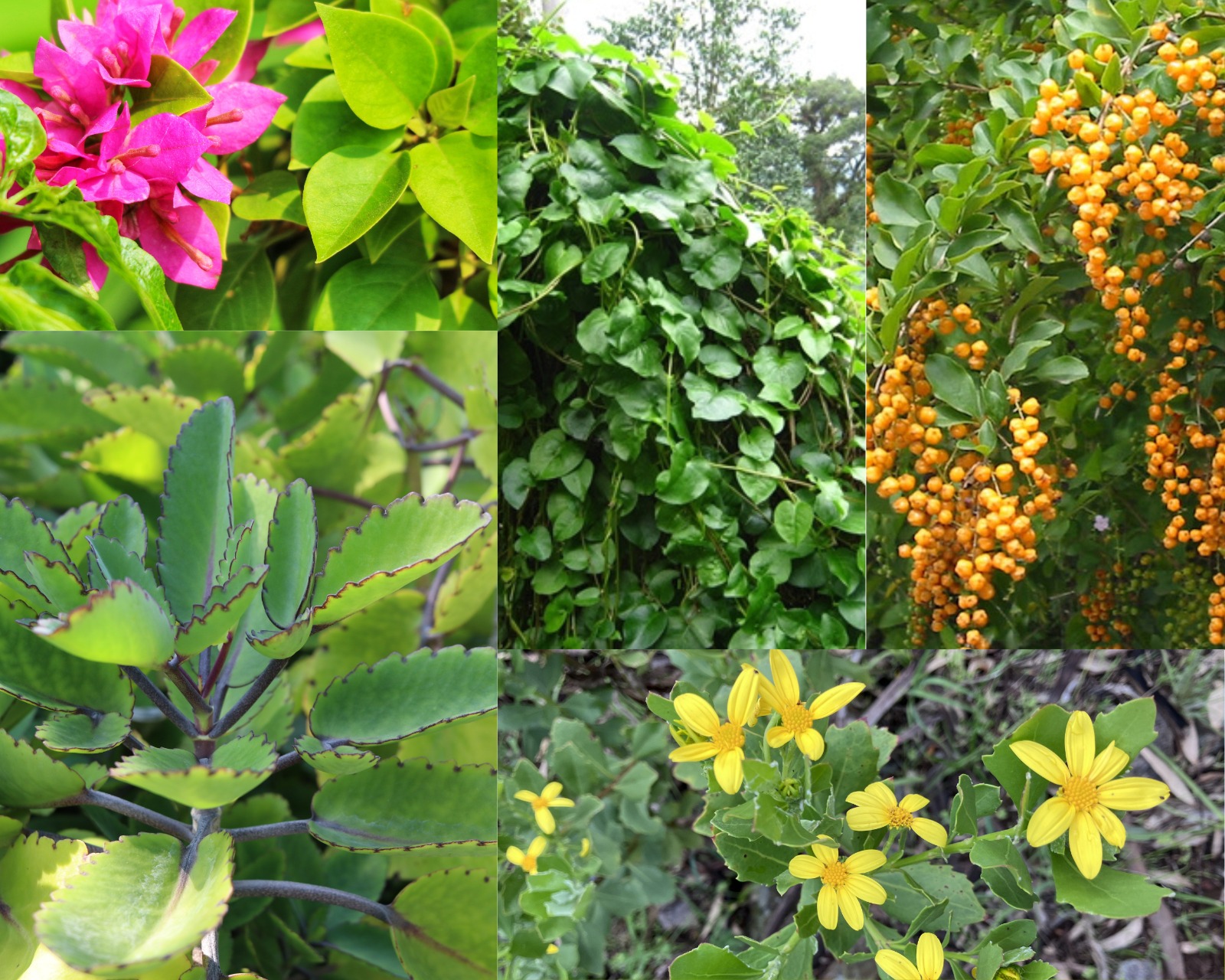
For example, plants like Murraya or Duranta may be widely grown in some suburban gardens without causing major issues. Yet in other regions, these same plants are considered environmental weeds because they escape cultivation and spread into bushland.
This is why weed regulations in Australia vary between states, regions and even local councils.
Understanding these differences is an important part of responsible gardening.

What Is Weed Control and Why Are Some Plants Regulated?
Weed control focuses on protecting Australia's natural ecosystems, agriculture and waterways from invasive plant species.
Some introduced plants grow aggressively outside their natural range and can quickly outcompete native vegetation.
When left unmanaged, invasive weeds can:
• displace native plants
• reduce biodiversity
• destroy wildlife habitats
• increase bushfire risk
• damage farmland productivity
• cost Australia billions of dollars each year in control programs
Because of these impacts, certain plants are regulated under biosecurity legislation and noxious weed laws across Australia.

How Garden Plants Become Invasive Weeds
Many invasive weeds were originally introduced as ornamental garden plants.
They often start as:
• decorative hedges
• ornamental groundcovers
• shade trees
• aquatic pond plants
Over time, these plants can escape into surrounding environments.
Common ways weeds spread include:
• wind-blown seeds
• birds and animals
• waterways and flooding
• soil movement during landscaping
• garden waste dumping
• contaminated tools, boots or machinery
This means even well-meaning gardeners can accidentally help spread invasive plants.
Why Your Postcode Matters When Planting
A plant that is legal in one region may be restricted or prohibited in another.
Local environmental conditions strongly influence whether a plant becomes invasive.
Before planting something new, always check:
• your local council website
• your state government's weed or biosecurity lists
• regional Landcare or environmental programs
In some cases, restrictions may vary between neighbouring councils.
Popular Garden Plants That Can Become Problematic
Some commonly grown garden plants are regularly flagged by environmental groups and bushcare volunteers because they easily escape cultivation.
Examples include:

Running Bamboo (Phyllostachys species)
Fast-growing and root-spreading. Once established, it can be extremely difficult to contain.
English Ivy (Hedera helix)
Often planted as a groundcover but capable of smothering trees and native vegetation.

Kahili Ginger and White Ginger
Beautiful tropical plants that have become serious environmental weeds in parts of New South Wales and Queensland.
Examples of Plants Restricted or Banned in Parts of Australia
Certain species are classified as declared weeds or prohibited plants under state biosecurity laws.
Examples include:

Gazania (Gazania rigens)
Banned from sale in South Australia and considered invasive in coastal ecosystems.
Green Cestrum (Cestrum parqui)
Restricted in New South Wales due to toxicity and weed potential.
Mexican Feathergrass (Nassella tenuissima)
Illegal to import and generally prohibited from sale due to its ability to invade pastureland.

Aquatic Invasive Plants
Plants such as:
• Salvinia
• Water hyacinth
• Lagarosiphon
can choke waterways and reduce oxygen levels for fish and frogs.

Common Invasive Plants by Australian State
Below are examples of priority weeds recognised across Australia.
(These are examples only – always check your local authority for the full list.)
New South Wales Invasive Plants
Managed under the Biosecurity Act 2015
Common species include:
• Asparagus fern
• Bitou bush / Boneseed
• Prickly pear
• African boxthorn
• Blackberry
• Madeira vine
• Cat’s claw creeper
• Lantana
Learn more:
https://www.nsw.gov.au/regional-and-primary-industries/biosecurity
Victoria Noxious Weed List
Declared under the Catchment and Land Protection Act 1994
Examples include:
• Alligator weed
• Water hyacinth
• Japanese knotweed
• Hawkweed
• Parthenium weed
• Mesquite
• Salvinia
Queensland Invasive Plants
Queensland runs one of the world's most advanced biological weed control programs.
Examples include:
• Bellyache bush
• Cat’s claw creeper
• Lantana
• Madeira vine
• Mother-of-millions
• Parthenium weed
• Prickly acacia
South Australia Declared Weeds
Examples include:
• Serrated tussock
• Parkinsonia
• Mesquite
• African boxthorn
• Gazania
• Creeping knapweed

Western Australia Weed Management
Examples include:
• Bathurst burr
• Boneseed
• Gorse
• Skeleton weed
• Arum lily
• Paterson’s curse
Tasmania Invasive Plants
Tasmania focuses heavily on biosecurity prevention and quarantine.
Examples include:
• African lovegrass
• Hawkweed
• Blackberry
• Gorse
• Serrated tussock
• Sweet briar
Northern Territory Weed Species
Common tropical weeds include:
• Gamba grass
• Mimosa pigra
• Parkinsonia
• Chinee apple
• Giant salvinia
• Mesquite
Australian Capital Territory Declared Plants
Examples include:
• African lovegrass
• Serrated tussock
• Scotch broom
• Blackberry
• Gorse
• Chilean needle grass
Biological Control: One of Australia's Most Effective Weed Solutions
Australia is a global leader in biological weed control.

Biological control uses natural enemies of invasive plants — such as insects or fungi — to suppress their growth.
Why biological control works
• agents are highly host-specific
• they reproduce naturally and spread on their own
• they can reach remote landscapes
• they evolved alongside the weed in its native habitat
When biological control works best
• in bushland and rangelands
• when combined with other weed management strategies
• when the weed has no close native relatives
When it is less effective
• if the climate is unsuitable
• if pesticides kill the control agents
• if rapid results are expected
Biological control rarely eradicates weeds completely — it reduces populations to manageable levels.
One of Australia's most famous success stories is the control of prickly pear cactus using the moth Cactoblastis cactorum.
Responsible Gardening Helps Protect Australia’s Ecosystems
Many invasive plants were once promoted as fast-growing, hardy garden solutions.
But when these plants escape into bushland, waterways or farmland, they can become extremely difficult and expensive to control.
Responsible gardening means thinking not only about what we plant — but also about what we choose not to plant.
Before You Plant: Check Local Regulations
Before introducing a new plant to your garden:
✔ Check your local council regulations
✔ Review state weed and biosecurity lists
✔ Consult regional Landcare or environmental organisations
If you discover a suspicious invasive plant, many councils allow residents to report emerging weeds, which can help prevent them spreading further.
Follow our Facebook or Instagram and find out more in our 3-part series on this topic.
FB: https://www.facebook.com/PlantArkAustralia/
IG: https://www.instagram.com/plant.ark/
Gardening isn’t just about what we love to grow — it’s about protecting the landscapes around us.