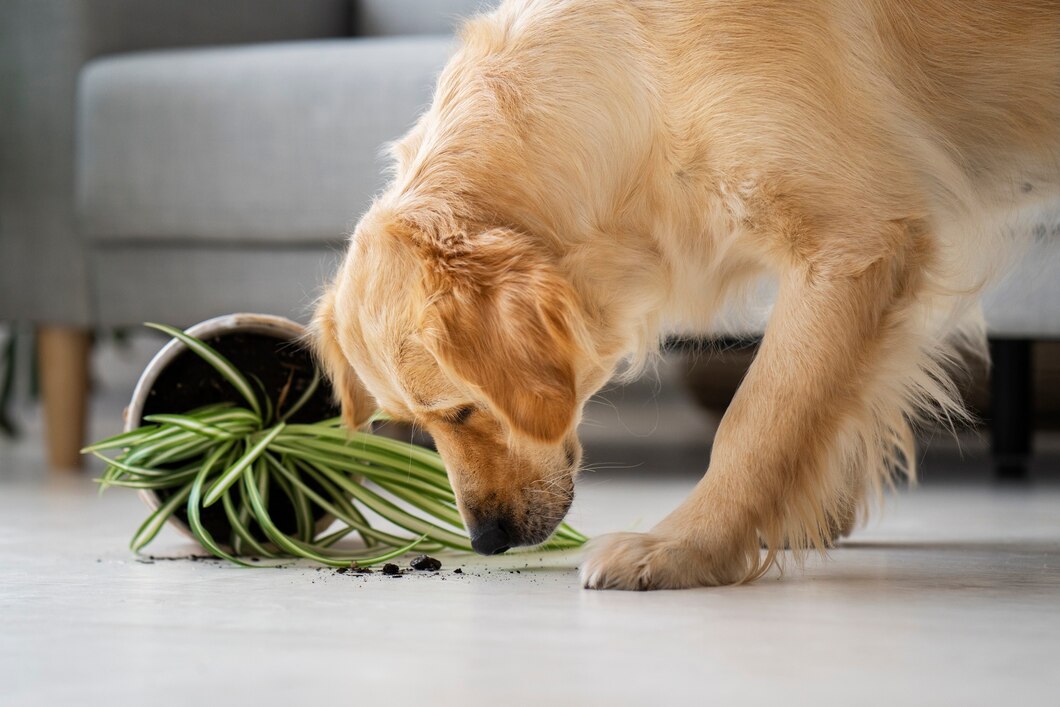
Like children, pets are naturally drawn to green spaces. Cats and dogs, especially younger ones, often get bored and go sniffing, chewing and pawing plants that could potentially be toxic to their health.
Which is why it’s important to balance your green space with pet-friendly houseplants that are both visually stunning and also safe for your furry buddies.
The good news? There are plenty of non-toxic plants for pets that can be used both indoors and outdoors, so you don't have to worry about how your pet will react to them.
In this blog, you will get to understand what plant toxicity is, a list of toxic plants to avoid and non-toxic plants to include in your home and garden.
While this isn’t an exhaustive list of toxic and non-toxic plants, it covers some of the most common plants to watch out for. Also, take away some useful tips to make the transition smooth and avoid those late-night emergency visits to the Vet.
Understanding Plant Toxicity Among Pets
Although many plants are harmless, a few should be avoided. Ingesting these highly toxic plants in large quantities can lead to life-threatening conditions.
Soluble Oxalates in Plants: What They Are and Why They Matter:
Most toxic plants produce a common compound called soluble oxalates. When your pet ingests small amounts of certain parts of these plants, it can cause minor irritation, but larger amounts could lead to more serious conditions.
These soluble oxalates bind to calcium in your pet’s body and lead to hypocalcemia (low blood calcium levels). Calcium oxalates are also known to damage the kidneys, resulting in renal failure.
Listed below are some of the toxic plants that are unsafe for pets:
What plants are toxic to pets? X
|
1 |
Oleander(Nerium) |
Contains potent cardiac glycosides, which cause severe, and sometimes fatal, heart abnormalities. |
|
2 |
Aloe Vera (Aloe barbadensis miller) |
Contains saponins and anthraquinone glycosides that cause vomiting, lethargy, diarrhea and dehydration. |
|
3 |
Lillies |
Contains calcium oxalate crystals that cause vomiting, diarrhea, oral pain and drooling. |
|
4 |
Philodendron |
Contains calcium oxalate crystals that cause burning of the tongue and mouth, excessive drooling and difficulty in swallowing. |
|
5 |
Chrysanthemum spp |
Contains toxins like pyrethrins, sesquiterpene lactones, causing symptoms like diarrhea, vomiting, dermatitis and hypersalivation. |
|
6 |
Hyacinth (Hyacinthus orientalis) |
Contains oxalate raphides and allergenic lactones/alkaloids that cause drooling, vomiting, diarrhea and oral irritation. |
|
7 |
Jade Plant(Crassula argentea) |
Known to cause Vomiting, depression, uncoordination. |
|
8 |
Sago Palm (Cycas revoluta) |
All parts of this plant are toxic, resulting in neurological alterations, liver failure and vomiting. |
|
9 |
Foxglove (Digitalis purpurea) |
If ingested, known to cause gastrointestinal and heart issues. |
|
10 |
Jimsonweed (Datura stramonium) |
Contains potent tropane alkaloids, which are known to be highly poisonous and should be avoided in pet-friendly gardens. |
While certain parts of the plants are toxic, it’s best to avoid them altogether to be on the safe side.
Non-Toxic Indoor Plants For Pets
The list below includes safe indoor plants for pets that let your furry friends explore without constant worry.
1. Spider Plant (Chlorophytum comosum)

The spider plant is a classic pet-safe plant. It is a non-toxic indoor plant that is hardy and resilient, and that can thrive in different light conditions. It’s irresistible for many pets as they often nibble and get playful with their long, dangling, strappy leaves.
Practical Tip: Cats may get addicted to playing with this plant, and dogs often love digging into pots. Plant them in a hanging pot or use decorative stones to avoid digging.
2. Parlour Palm (Chamaedorea elegans)

The Parlour Palm is another pet-friendly plant whose delicate looks could fool you. But it is easygoing and non-toxic to cats and dogs can withstand a little nibbling and tearing here and there. This plant gives off a tropical vibe without you having to worry about its toxicity levels.
Their crispy leaves can be tempting for your pet to chew, so trim those drier edges regularly. Also known for its air-purifying qualities, it’s ideal as a pet- and human-friendly indoor plant that thrives in low-light conditions.
Practical Tip: They are lightweight, so use a heavier planter to prevent tipping.
3. Boston Fern (Nephrolepis exaltata)

The Boston Fern is a lush fern that looks fabulous for hanging baskets or elevated plant stands. They are non-toxic for cats and dogs and grow well in cooler places with indirect light. They are usually preferred for their leafy green presence without posing a threat to your fur buddies.
Practical Tip: Hanging your Boston Fern higher off the ground will prevent playful nibbling and brushing, keeping your space mess-free. But remember to keep them away from air vents, as the edges tend to dry quickly. Keep them moisturised regularly.
4. Orchids (Bulbophyllum)

Orchids are another gorgeous addition to your indoors and are also pet-safe. Most common orchids (like Phalaenopsis and Bulbophyllum) are pet-safe. Their stunning blooms are a visual treat, and their non-toxic nature makes them an ornamental addition to your home.
Practical tip: Place your orchids in a spot that is elevated and stable, with indirect light. Though they are not toxic, their lightweight pots can tip over during pet expeditions.
5. Haworthia sp.

Haworthia is a popular, pet-friendly plant that is non-toxic to both cats and dogs. It resembles miniature Aloe without the harmful toxins found in Aloe Vera. Due to their small size, they are easy to place near low-light window sills or table tops. They are tough, low-maintenance, and non-toxic if nibbled.
Practical Tip: Haworthia plants prefer dry soil. Ensure you water them only after the soil is fully dry. This reduces fungus gnats that might, in turn, attract your cat’s attention.
Non-Toxic and Safe Outdoor Garden Plants for your Pets
1. Kangaroo Paw (Anigozanthos spp.)

Unlike other flowering plants, the iconic Kangaroo paw is non-toxic to cats and dogs. Their tough, upright growth habit makes them stand up to curious paws and noses. They are an ideal addition to your backyard and thrive in the sunny Australian weather.
Practical tip: It’s best to plant them a little away from pet paths to prevent trampling.
2. Correa (Correa spp.)
Correa is a woody shrub that is a non-toxic plant to pets. Its hard stem is not very tempting for your pets to chew on, and is unlikely to cause harm even if they do. It is a safe addition to your outdoor garden as it is tough, drought-tolerant, and more resilient than other fragile, ornamental outdoor plants.
Practical Tip: It's ideal to place them as borders as a soft hedge, rather than in a central area where your dogs and cats are more active.
3. Westringia (Westringia fruticosa, aka Coastal Rosemary)
Westringia is another safe pet-friendly plant and is unlikely to cause any toxic symptoms in your pet. They have small, firm leaves and woody stems which makes them less appealing to chew or nibble on. They tolerate strong winds, are hardy and perfect for high-traffic pet zones.
Practical Tip: Westringia can be planted as a border hedge and to separate play areas from planted zones
4. Golden Cane Palm (Dypsis lutescens)
Golden Cane Palms are highly versatile and can be grown both indoors and outdoors. A tropical plant that is non-toxic for pets, this palm thrives well in warm climates and bright light. It’s also known to be a NASA-approved air purifier. It is one of the safest pet-friendly plants that also adds a dash of the tropical to your outdoor garden.
Practical Tip: You should water consistently in warmer months to keep the fronds moisturised. Also, trim the drier edges, so your dog doesn’t treat the dry leaves like chewing toys.
5. Rose (Rosa)
The rose plant is an absolute favourite among garden lovers, and all varieties of this timeless beauty are considered non-toxic for pets. They also keep your garden ecosystem thriving by attracting pollinators.
Practical Tip: Though the rose plant is non-toxic, its sharp thorns may scratch curious noses. Place them slightly away from the main play area or garden pathway.
Edible & Safe plants for Pets
Some pet owners might like to include edible outdoor garden plants. The ones below are pet-friendly, non-toxic options you can consider:
1. Thyme (Thymus vulgaris)
Thyme is a non-toxic plant for pets, fragrant and hardy. Small amounts of accidental nibbling will generally not harm your pet. It is a great addition, and its strong fragrance will keep your pets from chewing on it anyway.
Practical Tip: Plant thyme along garden borders or between stepping stones. Its hardy nature can handle light foot traffic from curious paws.
🌿 Basil is another herb you can add to your outdoor garden. They are quite delicate, so it’s best to plant them in an elevated container.
2. Catgrass, also known as Wheatgrass (Triticum aestivum)
Catgrass is considered a non-toxic, pet-friendly plant that gives cats and dogs a safe option for nibbling. They are known to aid gut movement (should be offered in moderation) and are easy to grow, even for beginners.
Practical Tip: Avoid harsh, chemical fertilisers and ensure you trim regularly to avoid overconsumption.
3. Oats (Avena sativa), Barley (Hordeum vulgare), Rye (Secale cereale)
These fast-growing cereal grasses are non-toxic and safe for cats and dogs when consumed in moderation. Often grown as fresh grass shoots, they can support digestion and provide a safe nibbling option for curious pets.
Practical Tip: Always grow them untreated and chemical-free in well-draining, organic soil. Avoid mouldy or waterlogged conditions, as pets may chew directly from the base.
4. Rosemary (Rosmarinus officinalis)
Rosemary is a resilient herb that is completely safe for pets. It can be an addition to your kitchen window sill or your outdoor garden. The woody stem can withstand playful paws, and its strong scent will naturally discourage your pets from nibbling.
Practical Tip: Plant Rosemary in a well-draining pot at an elevated level. You can plant them along garden borders too.
Note: Pet-safe plants like catnip, spider plants, Boston ferns, and lavender can create a calming, sensory-rich environment that helps reduce anxiety in cats and dogs.
Take Away
These were among the most commonly used pet-friendly, non-toxic plants in Australia.
If you are wondering how to create a pet-safe garden, you can start with these safe and vibrant plants that will keep your fur babies happy, your backyard cheerful, and your outdoor garden lush and green.
And since our list includes lush ferns, tropical palms, aromatic herbs and colourful succulents, you will have a great-looking indoor and outdoor garden too.
Ready to bring your pet-safe garden to life?
Find all your favourite plants in one place with PlantArk and create a happy, uplifting space for both you and your furry friends. A little greenery goes a long way in making your indoor and outdoor areas bright, lively, and full of life!
🌿 Want the Full 60-Plant List?
We’ve covered only some of the most common non-toxic and toxic plants in this guide.
Want the full 60-plant list? Join the PlantArk newsletter by entering your email in the footer of our website, and we’ll send it straight to your inbox as our thank you.
👉 Join here: https://plantark.com.au/signin
Stay informed. Garden safely. Protect your pets. 🐾🌱
Follow our Instagram for more ideas, plant tips, and inspiration to create beautiful gardens!
Disclaimer:
The plants listed in this article as “pet-safe” are generally regarded as non-toxic for healthy dogs and cats. However, this information is provided for general guidance only and does not replace professional veterinary advice. Individual pets may react differently due to allergies, sensitivities, or underlying health conditions. Before introducing any new plant into your home or garden, we recommend considering your pet’s specific health needs and consulting with a qualified veterinarian if you have any concerns. Monitor your pet’s interaction with plants and seek veterinary attention if any adverse symptoms occur.